Exterior Painting in Woodlands SC
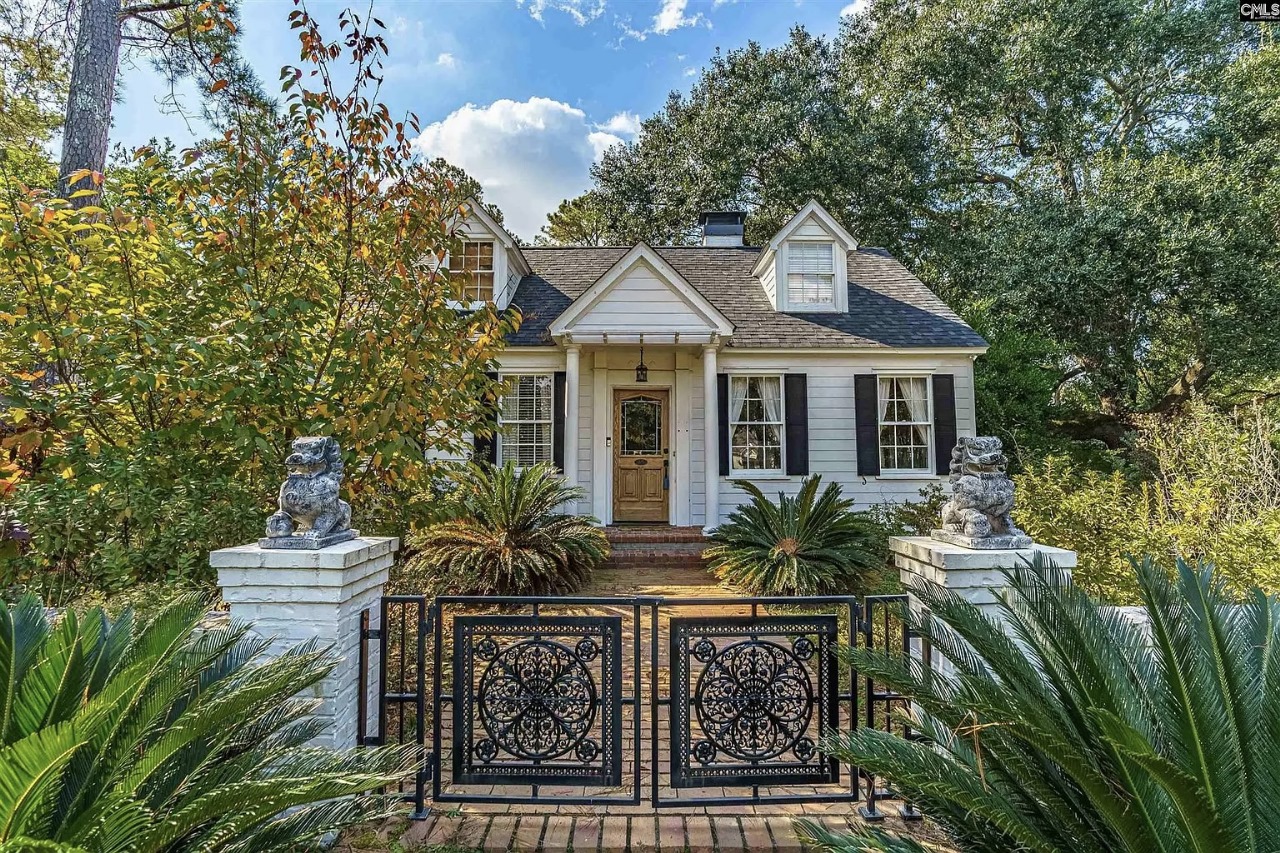
Fringing the Irmo corridor where residential streets give way to wooded buffers, Woodlands homes enjoy natural privacy and tree-lined lots that make the neighborhood feel like a retreat from the metro pace. Soda City Painting delivers Woodlands homeowners affordable exterior painting with thorough mildew treatment, premium canopy-rated products, and experienced, insured crews who understand what wooded-lot siding demands. Our hassle-free process includes free estimates, transparent pricing, and timely completion—protecting your home’s curb appeal and structural integrity against the challenges this beautiful setting creates.
Wooded Lots Create Hidden Challenges
Woodlands’ signature tree coverage keeps homes cool but traps moisture on siding, feeds mildew and algae, and deposits sap, pollen, and tannin-rich debris throughout the year. Our cost-effective, professional approach evaluates every elevation during a free assessment, identifying shade-driven moisture zones, tannin staining, and sap damage that need targeted treatment rather than generic painting. Premium products with integral mildewcide go where conditions demand them most.
We offer flexible scheduling — evenings, weekends, and phased work — to ensure your business continues running smoothly during painting.
We use heavy-duty coatings made for commercial buildings, offering excellent resistance to scuffs, stains, and fading in high-traffic environments.
Refresh your home with expert painting. Request your free estimate today.
Woodlands’ Forest-Adapted Process
We begin with biocide washing that kills mildew at the root, not just the surface. Extended drying on heavily shaded walls precedes all priming. Tannin and sap stains get shellac-based blocking primer. Two coats of premium mildew-resistant acrylic complete the system during monitored midday windows. This thorough, affordable approach is specifically adapted for the canopy conditions Woodlands homes face, delivering professional results that hold under persistent shade and humidity.
Woodlands And The Greater Irmo Area
Our crews serve Woodlands alongside the neighboring Irmo-area communities where similar canopy and construction conditions create common maintenance challenges. Products and techniques are matched to what wooded-lot environments demand.
We also serve exterior painting in Brookhaven, exterior painting in Woodhill Estates, and exterior painting in Irmo.
Embracing The Trees, Protecting The Home
The trees that make Woodlands special also make exterior painting more complex. Professional exterior painting that treats mildew at the source, blocks tannin permanently, and uses canopy-rated products delivers the lasting protection this environment requires. Our cost-effective service lets you enjoy the wooded setting without paying the price in constant repainting.
Book Your Woodlands Assessment
Your Woodlands home faces canopy challenges that generic painters miss. We specialize in them. Free assessments with material specs, honest recommendations, and transparent pricing. Contact us to schedule yours and get a tailored proposal.
Mildew was our constant battle. Two years after their biocide treatment and premium paint—zero return.
Gina Loftis
Woodlands Owner
They knew to wait three full days for our shaded siding to dry. That patience shows in the result.
Stephen Gaither
Satisfied Resident
The tannin stains from our oaks are completely sealed. No more brown streaks after rain.
Rhonda Peeples
Happy Client
Great color advice for our wooded lot. The home looks natural and intentional against the trees.
Todd Brewington
Local Homeowner
Canopy environments compound multiple stressors simultaneously. Shade keeps siding damp longer, feeding mildew. Falling sap and tannin from trees chemically attack paint films. Pollen accumulates in thick layers each spring. Limited airflow between trees and structures slows the drying that paint needs to cure properly after application. Each factor alone shortens paint life modestly, but together they can reduce effective lifespan by two to three years compared to open-lot homes using the same product.
We apply a professional-grade biocide solution that penetrates into the paint film and substrate to kill mildew colonies at the root—not just bleach the visible surface growth. After treatment, we allow an extended drying period so no moisture is sealed beneath the new coat. The topcoat contains factory-blended mildewcide rated for the full life of the coating, creating a hostile surface for spores landing from the canopy above. This three-step system—kill, dry, prevent—is what breaks the annual mildew return cycle.
Those streaks are tannin runoff from decomposing leaves, acorns, and bark debris washing off the roof and out of gutters. Tannins are water-soluble organic compounds that stain paint on contact, bonding chemically rather than sitting on the surface. Clogged gutters concentrate the problem by directing tannin-rich water over the gutter edge onto the siding below. We apply tannin-blocking primer on affected areas and recommend gutter guards to reduce future staining at the source.
Absolutely. Shaded siding absorbs water during washing and releases it slowly because limited sunlight and airflow delay evaporation. Painting before the substrate drops below fifteen percent moisture content traps water beneath the new coat, causing blistering and adhesion failure within months. Our seventy-two hour minimum drying protocol on heavily shaded surfaces with moisture meter verification prevents this problem. Rushing the timeline saves a day of scheduling but costs the homeowner a failed paint job.
Warm tones thrive in canopy shade where cool colors can appear flat and dull. Creamy whites, warm tans, sage greens, and muted earth tones complement the green-and-brown natural palette surrounding Woodlands homes. Very dark colors absorb what limited light reaches them and can make shaded homes feel heavy. We bring large color samples to evaluate against the actual tree backdrop in the reduced light conditions your specific lot creates, ensuring the final choice works with the setting.
Trimming branches that touch or overhang siding by at least three feet is strongly recommended before any exterior painting project. Direct branch contact physically abrades the coating, sap drips directly onto painted surfaces from overhead, and dense canopy touching the house traps moisture against the wall. Additionally, crew access to shaded walls is easier with clear working space. We recommend scheduling tree trimming at least two weeks before our start date so debris settles and any sap flow from fresh cuts subsides before painting begins.
Pine pollen peaks from late March through mid-April, and Woodlands’ mixed canopy amplifies the concentration. Pollen landing on wet paint embeds permanently, creating a gritty texture and reducing adhesion. We schedule Woodlands projects before mid-March or after early May whenever possible. When spring timing is unavoidable, we apply during early morning before airborne counts peak and wipe surfaces immediately before each coat to remove fresh deposits. Faster-curing formulations also reduce the wet-surface window pollen can exploit.
Woodlands homes under heavy canopy typically need repainting every five to seven years versus eight to ten for open-lot properties. The shortened cycle reflects persistent shade moisture, biological growth pressure, tannin and sap exposure, and reduced UV drying. Using premium products with integral mildewcide and scheduling around pollen and sap seasons stretches the timeline toward the upper end. Annual maintenance—gentle washing, gutter cleaning, and sap removal—further extends each professional cycle.

Both are common but appear in different zones. Mildew shows as dark gray or black patches feeding on organic material in the paint film, typically on shaded walls and under eaves. Algae appears as green or greenish-brown colonies on surfaces that receive persistent moisture from the canopy but some light. Our pre-paint treatment uses a dual-action biocide effective against both organisms, and the topcoat includes a broad-spectrum mildewcide that resists recolonization from either source for the life of the coating.
Most Woodlands homes cost between $4,200 and $8,500 for a full exterior repaint with thorough canopy-adapted preparation. The biocide treatment, extended drying time, tannin-blocking primer, and mildew-resistant topcoats add modestly to the base cost but deliver years of additional performance compared to standard approaches that fail within two to three seasons in this environment. Our free estimates itemize every component so the investment is transparent and the value clear.