
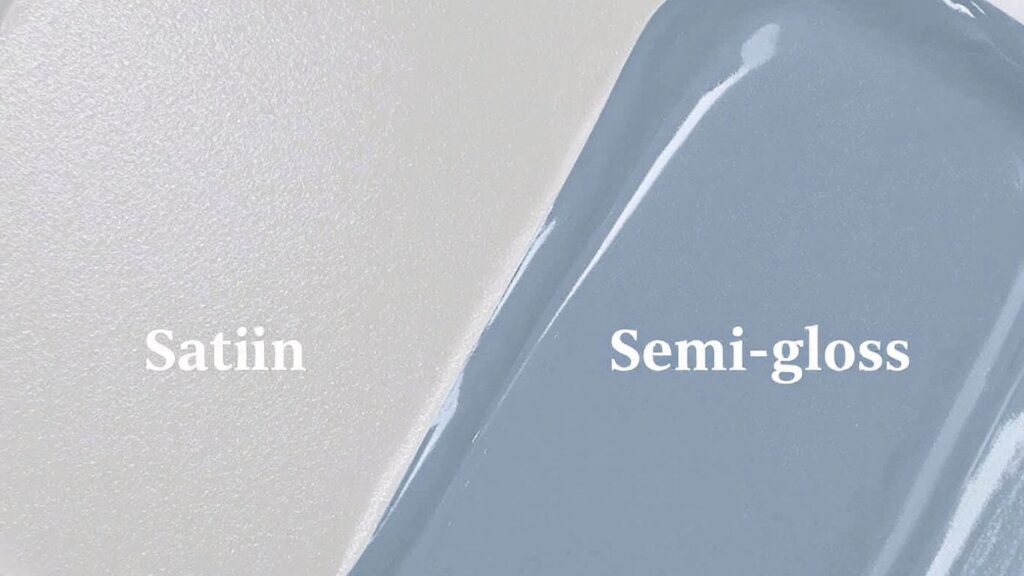
Flat, satin, and semi-gloss are three of the most common paint finishes, and each one serves a different purpose. Flat paint hides wall imperfections but is hard to clean. Satin paint offers a soft glow with good durability for most rooms. Semi-gloss paint is the toughest and easiest to clean, making it the go-to choice for kitchens, bathrooms, and trim. Choosing the right finish is just as important as choosing the right color, because sheen affects how your walls look, how long the paint lasts, and how easy it is to maintain. This guide breaks down every paint finish so homeowners in Lexington, SC know exactly which sheen to use in every room.
What Are the 5 Levels of Paint Finishes?
The 5 levels of paint finishes, from least shiny to most shiny, are flat (matte), eggshell, satin, semi-gloss, and high-gloss. Each level reflects a different amount of light and offers a different balance of appearance and durability. Flat paint reflects less than 5% of light, while high-gloss paint can reflect up to 90% of light.
Here is the full sheen scale. Flat paint has a gloss range of 0 to 5 on the industry measurement scale. It absorbs light and shows zero shine. Eggshell sits at about 10 to 15, with a very slight warmth. Satin falls in the 25 to 35 range with a soft, pearl-like glow. Semi-gloss measures 35 to 60 with a noticeable shine. High-gloss tops the scale at 60 to 90 and looks almost glass-like.
According to Sherwin-Williams, the higher the sheen, the more durable the paint and the easier it is to clean. But higher sheen also means the paint will show every bump, crack, and imperfection on the wall surface. That trade-off between hiding power and durability is why most professional painters in the Lexington, SC area recommend using a mix of finishes throughout the home.
What Sheen Do Professional Painters Use?
Professional painters use a combination of sheens depending on the room and the surface. The most common approach is flat or matte on ceilings, eggshell or satin on walls, and semi-gloss on trim, doors, and baseboards. This combination gives each surface the right balance of appearance and performance.
According to Benjamin Moore, satin and eggshell are the most popular finishes for interior walls because they offer good durability with a soft, attractive look. Semi-gloss is the standard for woodwork and trim because it stands up to daily contact and cleans easily. High-gloss is reserved for areas that need maximum durability and a dramatic look, like front doors and cabinetry.
Experienced interior painting professionals know that the right sheen can make a room look polished and well designed. The wrong sheen can highlight every flaw on the wall or make a room look flat and lifeless. That is why choosing your finish deserves just as much thought as choosing your color.
What Is Better, Flat or Semi-Gloss Paint?
Flat paint is better for hiding wall imperfections. Semi-gloss paint is better for durability and cleaning. Neither is universally better. Each serves a different purpose, and most homes need both.
Flat paint absorbs light instead of reflecting it. This makes walls look smooth and even, even if they have small dents, nail holes, patches, or uneven texture. According to KILZ, flat paint has no glare and provides the deepest, truest color representation. It is the preferred finish for ceilings and low-traffic rooms like master bedrooms and formal dining rooms.
Semi-gloss paint reflects a significant amount of light, which creates a subtle shine on the surface. That shine makes the paint extremely easy to wipe clean. Grease, fingerprints, soap residue, and crayon marks come right off with a damp cloth. According to Dunn-Edwards, semi-gloss is the most often used finish for rooms that require frequent scrubbing, like kitchens and bathrooms. It is also the standard choice for all interior trim work.
Homeowners in the Lexington area who are repainting should think about the purpose of each room before picking a finish. A quiet guest bedroom benefits from the soft, forgiving look of flat paint. A busy kitchen with kids needs the toughness of semi-gloss. A whole-house painting project typically uses both finishes in different areas.
Why Do Contractors Prefer Flat Paint?
Contractors prefer flat paint because it hides surface imperfections, applies easily without showing roller marks or brush strokes, and touches up better than any other finish. Flat paint is the most forgiving finish to work with, which makes the job faster and the results look cleaner on walls that are not perfectly smooth.
According to industry professionals, flat paint contains more pigment and less resin than higher-sheen options. The extra pigment provides better coverage per coat, which can save both time and money on larger projects. Flat paint also blends seamlessly during touch-ups. If you need to fix a small scuff or scratch, you can paint over it and the repair will be invisible. With satin or semi-gloss, touch-ups often show as a slightly different sheen that catches the light.
The downside is that flat paint is less durable. It does not resist stains as well and can be damaged by scrubbing. That is why experienced professionals in the Columbia area often use flat paint on ceilings and low-traffic spaces but switch to eggshell or satin for walls in hallways, living rooms, and family rooms where durability matters more.
Should Your Walls Be Eggshell or Satin?
Your walls should be eggshell if you want a softer look that hides minor imperfections. Your walls should be satin if you need better durability and easier cleaning. Both are excellent choices for most interior walls, and the difference between them is subtle.
Eggshell reflects about 10 to 15% of light, giving it a very slight warmth without any obvious shine. It is the most popular wall finish in the United States because it strikes the best balance between a flat appearance and moderate washability. Eggshell works well in living rooms, dining rooms, and bedrooms.
Satin reflects about 25 to 35% of light, creating a soft, pearl-like glow. It is slightly more durable and easier to clean than eggshell, which makes it the better choice for hallways, kids’ rooms, and any wall that gets a lot of contact. According to Benjamin Moore, satin delivers higher gloss and better stain resistance than eggshell, making it ideal for areas that need definition and durability.
For homeowners in Lexington, SC deciding between the two, think about traffic and wall condition. If your walls are older and have patches or texture issues, eggshell will hide those better. If your walls are smooth and you have kids or pets, satin will hold up better over time. Many families across the Red Bank and Lake Murray areas choose satin for main living spaces and eggshell for bedrooms.
What Is a Level 4 Paint Finish?
A Level 4 paint finish refers to the drywall finishing standard, not the paint sheen. Level 4 is the minimum drywall finish required for flat and eggshell paint. It means all joints, screws, and corners have been taped, mudded, and sanded smooth enough to accept paint without showing seams.
Most homes are finished to Level 4, which works fine for flat, matte, and eggshell paint. However, if you plan to use satin, semi-gloss, or high-gloss paint on your walls, a Level 5 finish is recommended. Level 5 adds a skim coat of joint compound over the entire surface to create a perfectly smooth wall that will not show any imperfections under high-sheen paint.
This is one reason why sheetrock installation and repair matters so much before painting. Walls that are not properly finished will look rough and uneven under higher-sheen paint, no matter how good the paint itself is. Professional painters in the Lexington and Columbia area check the drywall finish level before recommending a sheen.
Is Satin Paint Too Shiny for Walls?
No, satin paint is not too shiny for walls. Satin has a soft, subtle glow that adds warmth and depth to a room without creating a distracting shine. It is far less reflective than semi-gloss or high-gloss, and most homeowners find the look of satin on walls very attractive and modern.
Satin is one of the most common finishes used on interior walls across the country. It sits right in the middle of the sheen scale, reflecting only about 25 to 35% of light. For comparison, semi-gloss reflects 35 to 60% and high-gloss reflects up to 90%. Satin gives you just enough sheen to make colors pop and make the room feel alive without the “wet” or “plastic” look that comes with higher-gloss finishes.
The one caveat is that satin will show wall imperfections more than flat or eggshell. If your walls have a lot of patches, bumps, or texture issues, satin will highlight them. In that case, either fix the walls first with proper drywall repair or choose eggshell instead.
Is Sherwin-Williams Satin the Same as Eggshell?
No, Sherwin-Williams satin is not the same as eggshell. Satin has a higher sheen than eggshell. Sherwin-Williams classifies eggshell as a low-luster finish with a very subtle glow, while satin has a noticeably warmer, more luminous appearance. Satin is also slightly more durable and easier to clean.
One important thing to understand is that sheen names are not standardized across paint brands. What Sherwin-Williams calls “satin” may be slightly different from what Benjamin Moore or Behr calls “satin.” According to the Master Painters Institute, there is no universal standard for sheen level names. Each manufacturer defines them slightly differently. The best way to compare is to look at the actual gloss measurement on the technical data sheet or ask your painter for a recommendation based on your specific project.
Professional painters in the Lexington, SC area are familiar with the differences between brands and can help you choose the right product and finish. The team at Soda City Painting works with premium brands and knows which finishes perform best in every room.
What Are the Cons of Semi-Gloss Paint?
The cons of semi-gloss paint are that it highlights wall imperfections, makes touch-ups more visible, and can look too shiny on large wall surfaces. Semi-gloss is an excellent finish for trim and high-moisture areas, but it is not the best choice for every wall in your home.
Because semi-gloss reflects so much light, every bump, patch, nail hole, and uneven texture on the wall becomes visible. Older homes in the Lexington and Columbia area with plaster walls or multiple layers of old paint are especially prone to showing these flaws under semi-gloss. The surface needs to be very smooth and well-prepared for semi-gloss to look good on a wall.
Touch-ups are another challenge. If you repair a spot on a semi-gloss wall and paint over it, the repaired area often shows as a slightly different sheen compared to the surrounding paint. This “flashing” effect is much more noticeable with semi-gloss than with flat or eggshell. For walls that will need occasional touch-ups over the years, satin or eggshell are more forgiving choices.
What Are the Downsides of Flat Paint?
The downsides of flat paint are that it stains easily, is difficult to clean without damaging the surface, and wears down faster in high-traffic areas. Flat paint has the lowest resin content of any finish, which means it is softer and more porous than higher-sheen options.
Scrubbing a flat-painted wall to remove a stain can actually remove the paint along with the mark. That makes flat paint a poor choice for kitchens, bathrooms, hallways, and kids’ rooms where walls get touched, bumped, and splashed regularly. According to Glidden, flat paint is best reserved for ceilings, formal rooms, and spaces that see very little physical contact.
However, modern paint technology has improved flat paint significantly. Several premium brands now offer “scrubbable matte” or “washable flat” formulas that hold up better to cleaning than traditional flat paint. These products cost more but bridge the gap between the hide-everything look of flat paint and the durability of higher sheens. Homeowners across the Gilbert and Chapin areas who love the look of flat paint but need more durability should ask about these advanced formulas.
What Paint Finish Is Most Popular?
The most popular paint finish for interior walls is eggshell. It is the most widely used finish in American homes because it offers a soft, low-luster look that hides minor imperfections while still being easier to clean than flat paint. Eggshell strikes the best balance between aesthetics and practicality for general living spaces.
For trim and woodwork, semi-gloss is the most popular finish. Its durability and easy cleaning make it the standard recommendation from both paint manufacturers and professional painters. According to data from the National Association of Home Builders, 87% of home sellers repaint at least one room before listing, and neutral colors in eggshell or satin finishes are the most commonly requested for those projects.
Satin is growing in popularity as homeowners look for a finish that offers more durability than eggshell without the heavy shine of semi-gloss. It is especially popular in open-concept floor plans where the same wall finish flows through multiple rooms. The same satin finish works beautifully on outbuildings like sheds and workshops where you want a clean look with some durability.
Residential painting projects in the Lexington area increasingly use satin on walls and semi-gloss on trim for a clean, modern look.
What Paint Is Not Recommended for Bathrooms?
Flat paint is not recommended for bathrooms. Bathrooms produce a lot of moisture from showers, baths, and sinks. Flat paint absorbs moisture instead of repelling it, which leads to mildew growth, staining, and premature paint failure. The low resin content in flat paint cannot withstand the constant humidity that bathrooms produce.
The best finishes for bathrooms are satin or semi-gloss. Both of these finishes have higher resin content, which creates a harder, less porous surface that resists moisture and mildew. According to Sherwin-Williams, semi-gloss is ideal for bathrooms because it protects surfaces without being overly reflective, and it wipes clean easily when water spots or soap residue build up.
According to the U.S. Environmental Protection Agency, indoor humidity levels should stay between 30% and 50% to prevent mold growth. Bathrooms frequently exceed that range during and after showers. Using a moisture-resistant paint finish is one layer of protection that helps keep bathroom walls healthy and looking fresh for years. Homeowners in the humid Lexington, SC climate should be especially careful about bathroom paint choices.
Does Flat Paint Look Darker Than Eggshell?
No, flat paint does not look darker than eggshell. In fact, flat paint can sometimes look slightly lighter than the same color in a higher sheen. This is because flat paint absorbs light evenly across the surface, creating a uniform appearance without the shadows and highlights that shinier finishes produce. However, the difference is very slight and depends on the lighting in the room.
According to KILZ, the darker and richer a paint color is, the more colorant it contains, which can slightly boost the perceived sheen. A deep navy in eggshell may appear slightly different from the same navy in flat, not because the color itself changed but because the way light interacts with the surface is different. This is why painters always recommend testing your color in the actual finish you plan to use before committing to a whole room.
Paint a large sample on the wall and look at it at different times of the day. Morning light, afternoon sun, and evening lamp light all affect how color and sheen appear. Professional painters in the Columbia area can provide sample boards or test patches to help you make the right decision before the full interior painting project begins.
Which Paint Do Professional Painters Use?
Professional painters use premium brands like Sherwin-Williams, Benjamin Moore, and Behr because these paints offer superior coverage, durability, and color accuracy. Budget paints may cost less per gallon, but they require more coats, fade faster, and do not hold up to cleaning as well. In the long run, premium paint saves money by lasting longer and looking better.
According to industry data from the American Coatings Association, the U.S. paint and coatings industry shipped $31.6 billion in product in 2022. The professional segment accounts for a significant share of that market because pros know that paint quality directly affects the lifespan and appearance of the finished job. A 2023 industry report found that 63% of painting work was done by professionals, driven by homeowner demand for better results.
Sherwin-Williams Duration and Emerald lines are favorites among professional painters for both interior and exterior work. Benjamin Moore’s Regal Select and Aura lines are also widely used. These products deliver excellent hide, smooth application, and long-lasting color. For commercial painting projects, professionals often use higher-performance coatings designed for heavy traffic and frequent cleaning.
How Do I Get a Perfect Line Between My Wall and Ceiling?
Getting a perfect line between your wall and ceiling requires a steady hand, a quality angled brush, and the right technique. Use a 2 to 2.5 inch angled brush and load it with just enough paint to cover the bristles without dripping. Press the brush against the wall at the ceiling line and drag it slowly in a smooth, continuous stroke. Keep the long edge of the angled bristles tight against the corner.
Painter’s tape can help if you are not confident cutting in by hand. Apply the tape along the ceiling line, press the edges firmly to prevent bleed-through, and let the tape set for about 30 minutes before painting. Remove the tape while the paint is still slightly wet for the cleanest edge. Pulling tape off dried paint can sometimes lift the new paint with it.
Professional painters in Lexington, SC cut in by hand without tape because it is faster and produces sharper lines when done correctly. It takes practice, but skilled painters can produce a razor-straight line at the ceiling joint in a fraction of the time it takes to tape. This skill is one of the biggest differences between a DIY paint job and a professional finish.
Flat vs Satin vs Semi-Gloss: Comparison Table
| Feature | Flat / Matte | Satin | Semi-Gloss |
|---|---|---|---|
| Light Reflection | 0 to 5% | 25 to 35% | 35 to 60% |
| Hides Imperfections | Best | Moderate | Least |
| Durability | Low | Good | Best |
| Washability | Poor | Good | Excellent |
| Moisture Resistance | Poor | Good | Excellent |
| Touch-Up Visibility | Low (blends well) | Moderate | High (often visible) |
| Best Use | Ceilings, bedrooms, low-traffic rooms | Living rooms, hallways, kids’ rooms | Kitchens, bathrooms, trim, doors |
Sources: Sherwin-Williams, Benjamin Moore, KILZ, Dunn-Edwards, EmeraldPro Painting. Reflection percentages based on industry-standard gloss measurement scales.
What Color Makes a House Look Expensive?
The colors that make a house look expensive are warm whites, soft grays, greige tones, and muted earth colors. According to Zillow’s paint color analysis, homes with white exteriors sold for $3,814 more than expected, and homes with a black front door sold for up to $6,000 more. Interior neutral tones in eggshell or satin finish project a polished, high-end look.
The finish matters just as much as the color. A well-chosen satin finish on walls with crisp semi-gloss trim gives any room a designer-quality appearance. This combination of finishes creates subtle contrast that draws the eye to architectural details like crown molding, window casings, and baseboards. It is the approach that professional designers recommend for homes in the Lexington and Lake Murray areas that want a luxury feel without a luxury price tag.
Best Paint Finish for Every Room
Choosing the right finish for each room is one of the most impactful decisions in any painting project. Here is a room-by-room guide based on professional recommendations.
Ceilings
Flat paint is the standard for ceilings. It hides texture, joint compound seams, and minor imperfections that every ceiling has. Flat paint on the ceiling also prevents distracting reflections from overhead lighting. Many manufacturers make a specific “ceiling paint” with an ultra-flat finish and splatter-resistant formula.
Bedrooms
Flat, matte, or eggshell finishes work best in bedrooms. These low-sheen options create a calm, relaxing atmosphere. According to Zillow research, painting a bedroom in a soothing light green or khaki can boost a home’s selling price by an average of $1,332. The soft look of flat or eggshell makes these calming colors feel even more inviting.
Living Rooms and Family Rooms
Satin or eggshell are the top choices for living rooms and family rooms. These spaces see moderate traffic and benefit from a finish that can handle occasional cleaning while still looking elegant. Satin adds a touch of warmth and depth that makes a living room feel polished and comfortable. Homeowners in the Lexington area with open floor plans often use satin throughout the main living space for a consistent, modern look.
Kitchens
Semi-gloss or satin finishes are best for kitchens. These rooms face grease splatters, steam, food stains, and frequent cleaning. Semi-gloss on the walls and ceiling near the stove handles all of this without breaking down. Satin works well for kitchen walls farther from the cooking zone. For exterior-exposed kitchen areas like breakfast nooks with large windows, satin handles the sun exposure and humidity well.
Bathrooms
Semi-gloss is the gold standard for bathrooms. The constant moisture, steam, and splashing demand a finish that resists mildew and wipes clean easily. Satin is an acceptable alternative if you prefer a less shiny look, but semi-gloss provides the best long-term protection against bathroom humidity.
Trim, Doors, and Baseboards
Semi-gloss or high-gloss finishes are standard for all interior trim. These surfaces get touched, kicked, bumped, and scuffed constantly. The harder, shinier finish stands up to this abuse and cleans easily. The same principle applies to outdoor surfaces like porches, where a durable finish is essential to handle foot traffic and weather.The slight contrast between semi-gloss trim and eggshell or satin walls also creates a crisp, professional look that elevates the entire room.
How Paint Finish Affects Home Value
The right paint finish adds to your home’s appeal and perceived value. According to data from Opendoor, 63% of real estate agents recommend painting interior walls before selling. Homes with fresh, neutral paint in the right finishes consistently attract more buyer interest and higher offers.
Buyers notice the difference between a DIY flat paint job that scuffs and stains easily and a professionally applied satin finish that still looks fresh after years of use. A Zillow study found that homes needing paint sold for 7% less than comparable freshly painted homes. In competitive markets like Lexington and Columbia, that difference can mean thousands of dollars.
Choosing the right finish for each room signals that the home has been well maintained by someone who understands quality. Semi-gloss on trim, satin on walls, and flat on ceilings is the professional formula that sells. Homeowners who invest in a quality paint job with the right finishes see strong returns when it is time to list their home and outdoor spaces.
Frequently Asked Questions
What Paint Finish Should I Use for a Living Room in Lexington, SC?
You should use an eggshell or satin paint finish for a living room in Lexington, SC. Both finishes provide a soft, attractive look that works well under the natural light that South Carolina homes enjoy. Satin is the better choice if your living room gets heavy traffic from kids or pets. Eggshell is ideal if you want a more subdued look that hides minor wall imperfections.
Can You Use Flat Paint in a Kitchen?
No, you should not use flat paint in a kitchen. Flat paint cannot withstand the grease, steam, and food splatters that kitchens produce. Scrubbing a flat-painted kitchen wall will damage the paint. Use satin or semi-gloss in the kitchen instead for a finish that cleans easily and resists moisture.
Is Eggshell or Satin Better for Hallways?
Satin is better for hallways because it is more durable and easier to clean than eggshell. Hallways are high-traffic areas where walls get brushed against, bumped with bags and furniture, and touched by hands daily. Satin’s higher resin content gives it the toughness that hallways need. Eggshell can work in low-traffic hallways, but satin is the safer choice for most homes in the Lexington area.
What Paint Finish Hides Wall Imperfections Best?
Flat paint hides wall imperfections best. It absorbs light instead of reflecting it, which makes bumps, patches, and uneven textures nearly invisible. If your walls are not perfectly smooth, flat or matte paint will give you the cleanest-looking result. For walls that need both coverage and some durability, eggshell is a good compromise.
Should Trim Be the Same Sheen as Walls?
No, trim should not be the same sheen as walls. Most professional painters recommend using a higher sheen on trim than on walls. The contrast between semi-gloss trim and eggshell or satin walls creates a crisp, polished look. Using the same sheen on both walls and trim makes the room look flat and reduces the visual impact of your architectural details.
What Is the Best Paint Finish for a Bathroom With No Window in the Columbia Area?
The best paint finish for a bathroom with no window in the Columbia area is semi-gloss. Bathrooms without windows have even less ventilation than standard bathrooms, which means more moisture builds up on the walls. Semi-gloss provides the strongest moisture resistance and mildew protection of any standard wall finish. It also reflects light well, which helps brighten a windowless space. Pairing semi-gloss paint with proper ventilation is the best strategy for keeping a windowless bathroom clean and mold-free.
Does Paint Sheen Affect How a Color Looks?
Yes, paint sheen does affect how a color looks. The same color can appear slightly different in flat, satin, and semi-gloss. Higher-sheen finishes tend to make colors look slightly deeper or richer because of how they reflect light. According to Farrow and Ball, the same color can look noticeably different depending on the sheen level. Always test your chosen color in the actual finish you plan to use before committing to a full room.
Final Thoughts
Paint finish is one of the most overlooked decisions in any painting project, but it has a huge impact on how your home looks and how long the paint lasts. Flat paint hides flaws but cannot take a beating. Satin offers the best all-around balance for most rooms. Semi-gloss is the toughest, most cleanable option for kitchens, bathrooms, and trim. Using the right finish in each room is what separates a good paint job from a great one.
If you are a homeowner in Lexington, SC, Red Bank, Gilbert, Lake Murray, or the greater Columbia area, Soda City Painting can help you choose the perfect color and finish for every room in your home. Our team uses premium paints and professional techniques to deliver results that look beautiful and last for years. Call us today at (803) 221-0771 or visit our website to schedule your free estimate. The right finish makes all the difference, and we know how to get it right.