
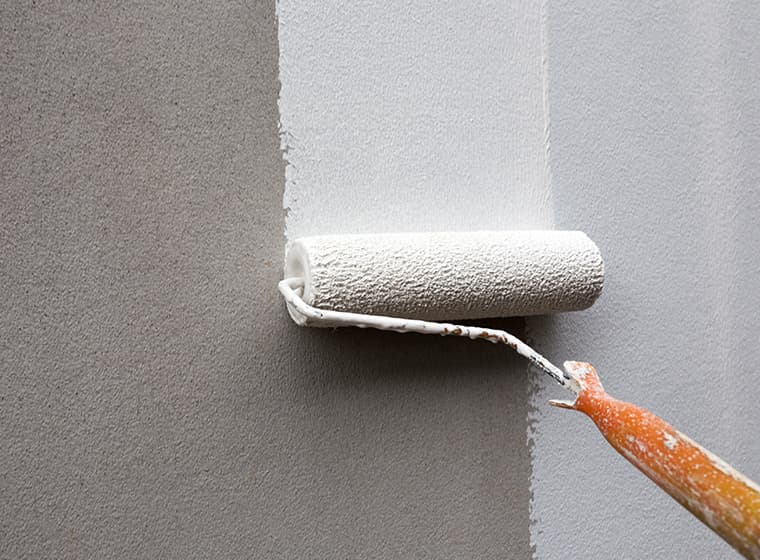
Choosing between oil and latex paint comes down to the surface you are painting, where the project is, and how durable you need the finish to be. Oil-based paint is best for high-traffic trim, doors, and surfaces that need a hard, smooth finish. Latex paint is best for walls, ceilings, siding, and most general painting jobs because it dries faster, has less odor, and cleans up with water. This guide breaks down every difference between oil and latex paint so you can pick the right one for your next project in Lexington, SC or anywhere in the Midlands.
When To Use Oil vs Latex Paint?
Use oil paint when you need a rock-hard finish on trim, cabinets, doors, railings, or metal surfaces. Use latex paint for walls, ceilings, exterior siding, and most large surface areas. According to the American Coatings Association, latex paint now makes up over 80 percent of all residential paint sold in the United States. That number has grown steadily since the 1990s as latex formulas have improved.
Oil paint bonds tightly to bare wood and metal. It levels out brush strokes better than latex, which gives it that smooth, factory-like finish on woodwork. Professional painters in Lexington, SC still reach for oil-based primers and paints when working on older homes with bare wood trim or when painting kitchen cabinets that need to hold up to daily use.
Latex paint works better on larger surfaces because it dries quickly, usually in one to two hours. The U.S. Environmental Protection Agency notes that latex paints produce far fewer volatile organic compounds (VOCs) than traditional oil-based paints, making them safer for indoor use. If you are painting bedroom walls, a living room, or your home’s exterior siding, latex is almost always the better pick.
Homeowners planning a full interior painting project will use latex paint for the majority of the work, with oil-based options reserved for specialty surfaces.
What Is Latex Paint Best For?
Latex paint is best for walls, ceilings, exterior siding, large flat surfaces, and any area where you want fast dry times and easy cleanup. It flexes with temperature changes instead of cracking, which is a big deal for exterior surfaces in places like Lexington, SC where summer heat regularly pushes past 95 degrees.
According to a 2023 report from Grand View Research, the global water-based (latex) coatings market was valued at over 80 billion dollars and is expected to grow at 4.6 percent annually through 2030. That growth is driven by tighter VOC regulations and better latex paint technology.
Latex paint also resists yellowing over time. Oil-based paints tend to turn yellow in areas with low light, like closets or behind furniture. A study published by the Paint Quality Institute found that high-quality latex paints held their color significantly longer than oil-based alternatives when tested under identical conditions.
For exterior painting on homes across the Columbia, SC metro area, latex is the go-to choice because it handles humidity and UV exposure better than oil.
What Are the Disadvantages of Latex Paint?
The disadvantages of latex paint are that it does not stick as well to glossy or slick surfaces, it does not level brush marks as smoothly as oil, and it can peel if applied over a dirty or poorly prepped surface. Latex also does not bond well directly over old oil-based paint without proper priming first.
According to the Painting and Decorating Contractors of America (PDCA), surface preparation failures account for roughly 80 percent of all paint job failures. This is even more true with latex paint, which needs a clean, scuffed, or primed surface to grab onto.
Latex paint also raises the grain on bare wood. When you brush latex onto unprimed wood trim, the water in the paint swells the wood fibers and creates a rough texture. That means extra sanding between coats. Oil-based primer solves this problem, which is why many professional painters use an oil primer under latex topcoats for the best of both worlds.
What Are the Disadvantages of Oil Paint?
The disadvantages of oil paint are longer dry times, strong fumes, harder cleanup, yellowing over time, and higher VOC levels. Oil-based paint can take 8 to 24 hours to dry between coats, compared to 1 to 2 hours for latex. According to the U.S. Environmental Protection Agency, oil-based paints can contain up to 300 grams per liter of VOCs, while most latex paints contain under 50 grams per liter.
Cleanup with oil paint requires mineral spirits or paint thinner, not just soap and water. Those solvents add more fumes and cost to the project. South Carolina’s Department of Health and Environmental Control (DHEC) classifies leftover oil-based paint and solvents as household hazardous waste, which means you cannot just throw them in the trash in Lexington County.
Oil paint also becomes brittle over time. On exterior surfaces, it can crack and flake as the substrate expands and contracts with weather changes. That is one reason most house painting professionals in the Midlands have shifted to latex for exterior work.
Do Painters Still Use Oil-Based Paint?
Yes, painters still use oil-based paint, but far less than they used to. Professional painters use oil-based products mainly for trim, doors, cabinets, and priming bare wood or metal. According to a 2022 survey by the American Coatings Association, oil-based coatings represent less than 20 percent of the total architectural coatings market in the United States.
Several states, including California and parts of the Northeast, have passed strict VOC regulations that limit or ban the sale of traditional oil-based paints for architectural use. South Carolina has not passed similar bans, so painters in Lexington, SC and the greater Columbia area still have full access to oil-based options.
Many professional painters now use hybrid products called alkyd-modified latex paints. These paints use water as a carrier but contain alkyd resins that mimic the smooth, hard finish of oil paint. Brands like Benjamin Moore Advance and Sherwin-Williams ProClassic fall into this category. They give you the flow and leveling of oil with the easy cleanup and low VOCs of latex.
Do Professional Painters Use Oil or Acrylic?
Professional painters use both oil and acrylic (latex) paint, depending on the job. For most residential wall and ceiling work, professionals choose acrylic latex. For fine trim, cabinetry, and specialty finishes, many pros still prefer oil-based or alkyd-modified paints.
A 2023 industry poll by Painting Pro Times found that 72 percent of residential painters in the Southeast use latex paint for 80 percent or more of their total work. The remaining work typically involves oil-based primers, trim paints, or specialty coatings.
In Lexington, SC and throughout the Columbia metro area, the hot and humid climate also influences what painters choose. Latex paints handle moisture better and allow homes to “breathe,” which helps prevent mold and mildew behind the paint film. Experienced residential painting crews know which product to use on each surface to get the longest-lasting result.
When Should You Not Use Latex Paint?
You should not use latex paint on bare metal, over heavy rust, directly over old oil-based paint without priming, or on surfaces that need a glass-smooth finish. Latex does not stick to glossy, slick, or oily surfaces without proper prep.
The National Association of Home Builders (NAHB) recommends using oil-based or shellac-based primers when covering stains from water damage, smoke, or tannin bleed on wood. Latex primers can allow these stains to bleed through, which ruins the final look.
Bare wood surfaces like new trim and doors perform best with an oil-based primer coat. The oil soaks into the wood grain, seals it, and creates a smooth base for latex topcoats. Many painting contractors in the Lexington area follow this exact system: oil primer, light sand, then two coats of high-quality latex or alkyd-modified paint on top.
Projects involving drywall repair and painting often call for a shellac or oil-based primer to seal patches before applying latex wall paint.
What Type of Paint Is Best for Beginners?
Latex paint is the best type of paint for beginners. It is easier to work with, dries fast, cleans up with soap and water, and is much more forgiving than oil-based paint. If you make a mistake with latex, you can wipe it up with a damp cloth before it dries.
According to Consumer Reports, latex paints in satin and eggshell finishes are the most popular choices for DIY homeowners because they hide minor surface flaws and are easy to touch up. Flat finishes hide imperfections even better but are harder to clean. Semi-gloss and gloss finishes show every bump and roller mark, so they take more skill to apply well.
For first-time painters tackling a room in their Lexington, SC home, a high-quality latex paint in an eggshell or satin finish will deliver the best results with the least frustration. Use a good roller for walls and a 2 to 2.5 inch angled brush for cutting in around edges.
Which Paint Lasts the Longest?
Oil-based paint lasts the longest on interior trim, doors, and cabinets because it cures to a harder film that resists chipping and wear. On exterior surfaces, high-quality 100 percent acrylic latex paint lasts the longest because it flexes with temperature changes and resists cracking, fading, and mildew.
According to the Paint Quality Institute, a properly applied exterior acrylic latex paint job can last 10 to 15 years. An exterior oil-based paint job typically lasts 5 to 8 years before cracking and peeling starts. Interior oil-based trim paint, on the other hand, can last 8 to 10 years in high-traffic areas before it needs freshening.
The climate in Lexington, SC plays a role in how long paint lasts. High humidity, intense summer sun, and occasional severe storms all break down exterior paint faster. Choosing the right paint type and applying it correctly makes a big difference. Homes that receive professional exterior painting services with proper prep typically get the longest life out of every coat.
What Is the Healthiest Paint To Use?
The healthiest paint to use is a zero-VOC or low-VOC latex paint. These paints release very little chemical vapor during and after application, which means better indoor air quality for your family. According to the U.S. Environmental Protection Agency, indoor air can contain two to five times more pollutants than outdoor air, and fresh paint is a common contributor.
Zero-VOC latex paints from major brands like Benjamin Moore Natura, Sherwin-Williams Harmony, and Behr Premium Plus have been independently tested and certified by programs like GREENGUARD Gold. These certifications confirm that the paint meets strict limits for chemical emissions.
For families with young children, elderly residents, or anyone with asthma or chemical sensitivities in the Lexington, SC area, zero-VOC latex paint is the safest choice. Oil-based paints should not be used in bedrooms, nurseries, or enclosed spaces where people spend long hours unless the area can be fully ventilated for several days after painting.
What Is the Easiest Paint To Keep Clean?
The easiest paint to keep clean is a latex paint in a semi-gloss or satin finish. Higher sheen levels create a smoother surface that resists dirt, fingerprints, and stains. You can wipe them down with a damp cloth or mild soap without damaging the paint.
According to Consumer Reports testing, semi-gloss and satin latex paints scored highest for washability and stain resistance across all major brands. Flat and matte finishes, while they hide wall imperfections better, tend to absorb stains and scuff marks.
For kitchens, bathrooms, hallways, and kids’ rooms in your Lexington home, satin or semi-gloss latex is the best choice. These areas get touched, splashed, and bumped constantly. A quality satin finish gives you a soft look that still cleans up easily.
If your interior walls need more than just paint, sheetrock installation and repair services can get them smooth and ready before a fresh coat goes on.
What Paint Fades the Least?
100 percent acrylic latex paint fades the least, especially on exterior surfaces. Acrylic resins resist UV breakdown better than oil-based or vinyl-acrylic paints. According to testing by the Rocky Mountain Institute, premium acrylic latex paints retained up to 95 percent of their original color after five years of direct sun exposure, while oil-based paints lost noticeable color in as little as two years.
Darker colors fade faster than lighter ones regardless of paint type. But even with dark colors, a high-quality acrylic latex will hold up far longer than an oil-based alternative. This matters in Lexington, SC where south-facing and west-facing walls take a beating from intense afternoon sun, especially in the summer months.
Is Sherwin-Williams Paint Latex or Oil?
Sherwin-Williams makes both latex and oil-based paints. The majority of their popular residential lines, like Duration, Emerald, SuperPaint, and ProMar, are water-based latex or acrylic latex paints. They also offer oil-based primers, stains, and specialty coatings for trim, metal, and heavy-duty applications.
According to Sherwin-Williams’ own product data, their top-selling interior and exterior paints are all 100 percent acrylic latex formulas. Their ProClassic line offers both a latex version and an alkyd (oil-modified) version specifically for trim and cabinet work, giving painters the choice based on the job.
What Is the 80/20 Rule in Painting?
The 80/20 rule in painting means that about 80 percent of the quality of a paint job comes from the prep work, and only 20 percent comes from the actual painting. Surface preparation, including cleaning, scraping, sanding, patching, caulking, and priming, determines whether the paint will look good and last.
The Painting and Decorating Contractors of America (PDCA) has stated repeatedly that preparation is the single biggest factor in paint job longevity. Skipping prep leads to peeling, bubbling, cracking, and premature failure no matter how expensive the paint is.
This applies to both oil and latex paint. But it matters even more with latex because latex does not penetrate and grip the way oil does. If the surface is not clean and properly primed, latex paint will peel. Homeowners across the Columbia, SC metro area who invest in thorough prep work see paint jobs that last years longer.
Professional commercial painting projects follow this rule strictly, which is why prep often takes longer than the painting itself.
Can You Put Latex Paint Over Oil-Based Paint?
Yes, you can put latex paint over oil-based paint, but only if you prep the surface correctly first. You must clean the surface, sand it with 150 to 220 grit sandpaper to remove the gloss, and then apply a bonding primer before topcoating with latex. Skipping the sanding and priming step will cause the latex to peel.
According to the PDCA, applying latex directly over a glossy oil-based surface is one of the most common causes of paint failure in older homes. The latex cannot grip the slick oil surface and will bubble or sheet off, sometimes within weeks.
Many homes in Lexington, SC that were built before the 1990s have oil-based paint on their trim, doors, and sometimes even walls. Converting these surfaces to latex is very doable with the right prep. A coat of a quality bonding primer like Zinsser or KILZ creates a bridge between the old oil layer and the new latex topcoat.
Can You Put Oil-Based Paint Over Latex?
Yes, you can put oil-based paint over latex paint. Oil-based paint sticks well to a clean, lightly sanded latex surface. This is actually easier than going the other direction. A light scuff with sandpaper and a wipe-down with a tack cloth is usually all you need before applying oil-based paint over a latex base.
This is a common approach when homeowners want the durability of an oil or alkyd finish on trim that was previously painted with latex. Proper prep still matters, but the bond between oil paint and a sanded latex surface is strong.
What Three Paint Colors Never Go Out of Style?
The three paint colors that never go out of style are white, gray, and navy blue. According to the National Association of Realtors’ 2023 Remodeling Impact Report, homes painted in neutral tones like white and gray consistently appeal to the widest range of buyers and help with resale value.
White remains the most popular wall color in America. A 2024 survey by Sherwin-Williams found that shades of white and off-white accounted for over 35 percent of all residential paint sales. Gray has dominated the neutral palette for over a decade, and navy blue has become a go-to accent color for front doors, cabinetry, and feature walls.
For homeowners in the Lexington, SC area getting ready to sell or just wanting a fresh, timeless look, sticking with these classic colors in a high-quality latex finish is a safe bet. A fresh coat of paint is one of the highest-return home improvements you can make. Homes with updated interior painting in modern neutral tones often sell faster and for more money.
What Color Makes a House Look Expensive?
The colors that make a house look expensive are crisp white, soft black, charcoal gray, warm greige, and deep navy. According to a 2023 Zillow analysis, homes with black or charcoal front doors sold for up to 2.9 percent more than expected. Homes with white or light gray exteriors consistently scored highest in buyer appeal.
The key is not just the color, though. The sheen and quality of the paint job matter just as much. A high-quality satin or semi-gloss finish on trim, paired with a clean flat or matte finish on siding, gives a home that polished, high-end look. Cheap paint in the right color will still look cheap. Premium paint applied by skilled painters makes even a simple color palette look elegant.
Many homeowners across the Midlands invest in professional painting for curb appeal alone. A well-done porch painting job paired with a freshly painted front door can completely change how a home looks from the street.
Oil vs Latex Paint Comparison Table
| Feature | Oil-Based Paint | Latex Paint |
|---|---|---|
| Dry Time Between Coats | 8 to 24 hours | 1 to 2 hours |
| VOC Levels | Up to 300 g/L | Under 50 g/L (most formulas) |
| Cleanup | Mineral spirits or paint thinner | Soap and water |
| Best For | Trim, doors, cabinets, metal, bare wood | Walls, ceilings, siding, large surfaces |
| Finish Quality on Trim | Smoother, harder, more durable | Good, but may show brush marks more |
| Exterior Lifespan | 5 to 8 years | 10 to 15 years |
| Yellowing Over Time | Yes, especially in low light | No |
| Flexibility | Brittle, can crack | Flexible, expands and contracts |
| Market Share (Residential) | Less than 20% | Over 80% |
| Odor | Strong chemical fumes | Mild to none (zero-VOC options) |
Sources: U.S. Environmental Protection Agency, American Coatings Association, Paint Quality Institute, Consumer Reports, PDCA
Which Paint Brand Has the Lowest VOC?
The paint brands with the lowest VOC levels include Benjamin Moore Natura (zero VOC), Sherwin-Williams Harmony (zero VOC), and Behr Premium Plus (zero VOC). These brands have been certified by GREENGUARD Gold for meeting strict chemical emission limits. According to the EPA, zero-VOC paints contain less than 5 grams per liter of volatile organic compounds.
Low-VOC and zero-VOC paints have improved dramatically over the past decade. Early versions had poor coverage and durability, but modern formulas from top brands perform just as well as their higher-VOC counterparts. Painters in Lexington, SC are using these products more and more, especially for interior work in occupied homes where families do not want to deal with strong paint fumes.
How To Tell If Existing Paint Is Oil or Latex
You can tell if existing paint is oil or latex by rubbing a small area with a cotton ball soaked in denatured alcohol or rubbing alcohol. If the paint softens, smears, or comes off on the cotton ball, it is latex. If the paint is unaffected, it is oil-based.
Another method is the fingernail test. Oil-based paint is very hard and will not dent easily when you press your fingernail into it. Latex paint is slightly softer and more flexible. You may be able to leave a small mark.
Knowing what type of paint is already on your walls or trim is critical before repainting. If you apply latex over old oil without proper prep, the new paint will fail. Many painters in the Columbia, SC area test surfaces on every job before choosing their primer and topcoat system.
Older homes often need drywall repair and fresh paint on damaged sections before a full repaint can begin.
Is Oil or Latex Better for Exterior Use?
Latex paint is better for exterior use in almost every situation. It flexes with temperature swings, resists cracking and peeling, holds its color longer in UV light, and stands up to humidity and moisture better than oil. According to the Paint Quality Institute, 100 percent acrylic latex is the gold standard for exterior residential painting.
Oil-based paint becomes brittle on exterior surfaces. In Lexington, SC, where temperatures can swing from the low 30s in winter to over 100 degrees in summer, that brittleness leads to cracking and flaking much faster. The wood and siding underneath expand and contract with the heat and cold, and latex paint moves with them.
The one exception is exterior oil-based primer. Oil primers are still excellent for sealing bare wood, covering stains, and blocking tannin bleed before applying latex topcoats. Many deck, dock, and fence painting jobs in the Midlands use an oil primer under a latex or solid stain topcoat for maximum adhesion and durability.
Is Oil or Latex Better for Interior Trim and Doors?
Oil-based paint and alkyd-modified latex paint are both better than standard latex for interior trim and doors. They cure harder, resist chipping and fingerprints better, and level out to a smoother finish with fewer brush marks.
According to Fine Homebuilding magazine, alkyd-modified latex paints like Benjamin Moore Advance have become the top choice for trim among professional painters. They offer the smooth finish and durability of oil with the low odor and easy cleanup of latex.
If you want the absolute hardest, most durable finish on trim and doors, traditional oil-based enamel is still the top performer. But for most homeowners in Lexington, SC, an alkyd-modified latex gives 90 percent of the performance with none of the fumes or long dry times.
Frequently Asked Questions
Can I Use Latex Paint on My Front Door in Lexington, SC?
Yes, you can use latex paint on your front door in Lexington, SC. However, for the smoothest and most durable finish, an alkyd-modified latex or oil-based enamel is a better choice. Front doors take a lot of direct sun and daily contact, so a harder paint holds up longer. A high-quality semi-gloss or gloss finish in either formula will give the best results.
Does Oil Paint Hold Up Better in South Carolina’s Humid Climate?
No, oil paint does not hold up better in South Carolina’s humid climate. Latex paint actually performs better in high humidity because it allows moisture to pass through the paint film. Oil-based paint traps moisture, which can lead to bubbling and peeling. According to Clemson University’s Cooperative Extension, latex paint is recommended for most exterior surfaces in the Southeast because of its moisture tolerance.
How Do I Know If My Lexington Home Has Oil-Based Paint?
You can find out if your Lexington home has oil-based paint by using the rubbing alcohol test. Dampen a cotton ball with rubbing alcohol and rub it on a small section of paint. If the paint softens or comes off, it is latex. If nothing happens, it is oil-based. Homes built before the mid-1990s in the Lexington area are more likely to have oil-based paint on trim and woodwork.
Should I Use Oil or Latex Paint on My Deck in the Midlands?
You should use a latex or acrylic solid stain on your deck in the Midlands. Latex-based deck finishes flex with the wood as it expands and contracts in South Carolina’s heat and humidity. An oil-based primer can be used as a base coat on bare wood for extra adhesion, but the topcoat should be a water-based product for the longest life.
Is It Safe To Use Oil-Based Paint Inside My Home?
Oil-based paint is safe to use inside your home if you have proper ventilation. Open windows, run fans, and keep the area well-aired during application and for at least 48 hours after. According to the EPA, indoor air quality drops significantly during and after oil-based paint application. For bedrooms, nurseries, and enclosed rooms, zero-VOC latex paint is the safer and healthier choice.
How Long Should I Wait Between Coats of Latex vs Oil Paint?
You should wait 1 to 2 hours between coats of latex paint and 8 to 24 hours between coats of oil-based paint. Always check the paint can label for the exact recoat time, as it varies by brand and product. Temperature and humidity in Lexington, SC can affect dry times. Hot, humid days may extend dry times for oil paint, while latex usually handles the heat well.
Can Professional Painters in Lexington Mix Oil and Latex on the Same Project?
Yes, professional painters in Lexington routinely mix oil and latex products on the same project. A common approach is using oil-based primer on bare wood or stained surfaces and then topcoating with latex paint. This gives the strong adhesion of oil with the flexibility and color retention of latex. The key is using the right primer system so the layers bond properly.
Final Thoughts
Choosing between oil and latex paint does not have to be complicated. For walls, ceilings, and exterior surfaces, latex paint wins on nearly every front: faster dry times, lower fumes, easier cleanup, better flexibility, and longer life outdoors. For trim, doors, and cabinets where you need a smooth, hard finish, oil-based or alkyd-modified latex is the better pick. The best paint jobs often combine both types, using each one where it performs best.
If you are planning a painting project in Lexington, SC or anywhere in the Midlands, the team at Soda City Painting can help you pick the right products for every surface. Whether you need a single room refreshed or a full exterior repaint, experienced painters make all the difference. Reach out to schedule a residential painting consultation today and get your project started the right way.