
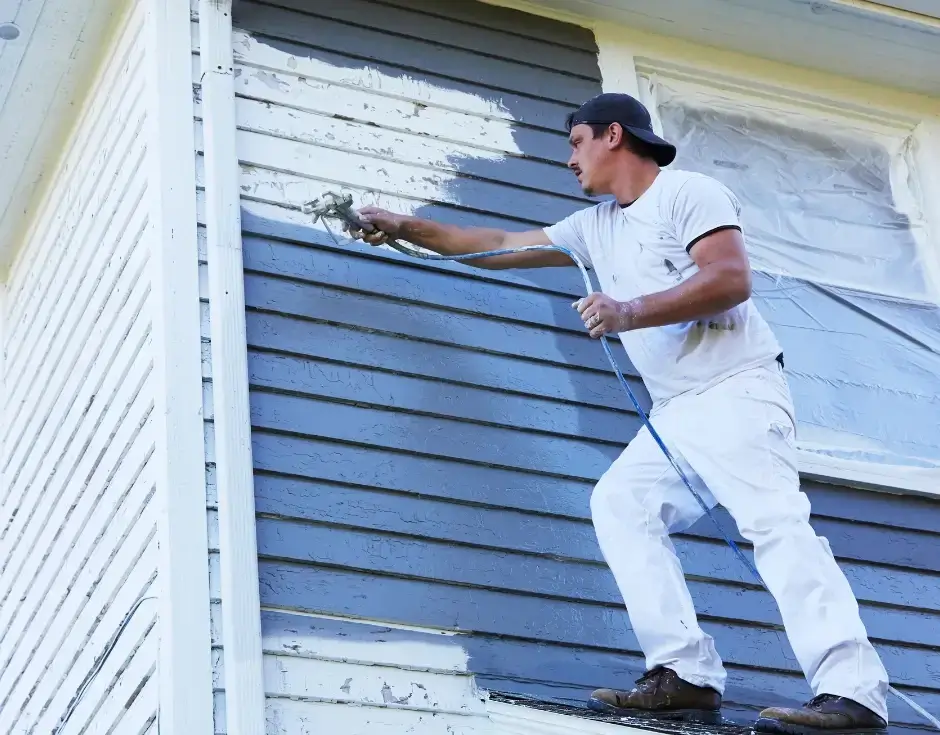
You can paint vinyl siding on your home, and when done correctly it can last 5 to 10 years before needing a refresh. The key is using the right paint, cleaning the surface well, and following the proper steps from top to bottom. This guide covers everything you need to know, from choosing the right paint and prepping the surface to applying coats and picking the best colors for long-lasting results.
Can You Just Paint Over Vinyl Siding?
Yes, you can just paint over vinyl siding as long as the siding is in decent shape. That means no serious warping, cracking, or moisture damage underneath. If the panels are simply faded, chalky, or dull, a fresh coat of paint is a smart and affordable fix.
According to data from Angi, the average lifespan of vinyl siding is between 20 and 40 years. If your siding is still structurally sound, painting it can buy you another decade of great-looking curb appeal at a fraction of the cost of replacement. According to HomeAdvisor, painting vinyl siding costs an average of $1 to $3 per square foot, while full replacement averages around $7.50 per square foot according to industry data from multiple sources.
Homeowners across Lexington, SC who want to freshen up their exterior without replacing everything often find that painting is the smartest move. A clean, well-prepped surface with the right paint is all you need to get a result that looks brand new.
What Kind of Paint Will Stick to Vinyl Siding?
The kind of paint that will stick to vinyl siding is 100% acrylic latex paint made for exterior use. Acrylic paint bonds well to vinyl and stays flexible as the siding expands and contracts with temperature changes. Oil-based paints are too rigid and will crack or peel over time.
Look for paint labeled “vinyl-safe.” Brands like Sherwin-Williams, Benjamin Moore, Behr, and Pittsburgh Paints all make premium 100% acrylic products that work well on vinyl. Some paints combine primer and topcoat in one formula, which can save you a step on clean, lightly faded siding.
Avoid dark colors unless the paint is specifically labeled as vinyl-safe with heat-resistant technology. Darker paint absorbs more heat from the sun, which causes the vinyl to expand more aggressively and can lead to warping or bubbling. Lighter colors reflect heat and tend to last longer. According to This Old House painting expert Mauro Henrique, a well-executed vinyl siding paint job using high-quality 100% acrylic paint can last between 10 and 12 years.
Many homeowners near Lake Murray and throughout the greater Lexington area deal with intense summer sun, which makes choosing a vinyl-safe, lighter color even more important for long-term durability.
Do You Have to Prep Vinyl Siding Before Painting?
Yes, you absolutely have to prep vinyl siding before painting. Prep is the single most important step in the whole process. Skipping it, or doing it poorly, is the number one reason paint peels off vinyl siding.
Step 1: Inspect the Siding
Walk around the entire house and look for cracked panels, warped sections, areas with moisture damage, or spots where the old paint is already peeling badly. Any panel that is cracked, brittle, or seriously damaged should be repaired or replaced before you pick up a brush. Painting over damaged vinyl will not fix the problem and can make it worse. If you notice issues that go beyond the surface, drywall repair and painting services may be needed for sections tied to enclosed wall spaces.
Step 2: Clean the Surface Thoroughly
Cleaning the siding is not optional. Paint sticks to clean vinyl, not to dirt, mildew, or chalky oxidation. According to experts at This Old House, pressure washing is the most effective cleaning method for large areas. Use a mild detergent or a dedicated vinyl siding cleaner. Scrub with a soft-bristle brush, then rinse with clean water directed downward. Never force water up behind the panels.
A common cleaning mix is water, powdered laundry detergent, a household cleaner, and a small amount of bleach to cut mildew. After scrubbing, rinse completely and let the siding dry for at least 24 hours before applying any paint. In the humid summers of Lexington, SC, full drying time matters more than most people realize.
Step 3: Check for Chalking (Oxidation)
Run your hand along the siding. If a white, chalky residue comes off, that is oxidation. It must be fully removed before painting. Paint applied over chalking will not bond properly and will peel prematurely. Scrub chalky areas with a cleaning solution and rinse well.
Step 4: Mask Off Windows, Doors, and Trim
Apply painter’s tape around all windows, doors, light fixtures, electrical panels, house numbers, and any other areas you do not want painted. Cover landscaping, bushes, and ground surfaces with drop cloths or plastic sheeting to protect them from paint drips and overspray.
Step 5: Apply Primer If Needed
You do not always need primer on vinyl siding. According to Lowe’s, you can skip primer if you are using a high-quality vinyl-safe paint and not making a dramatic color change. However, if the siding is very faded, pitted, or you are going from a dark color to a light one, apply a coat of exterior primer first and let it dry completely before painting.
Is It Better to Spray or Brush Paint Vinyl Siding?
Spraying is better than brushing for vinyl siding when you are covering large areas. A low-pressure airless sprayer gives you a smooth, even coat that gets into all the laps and grooves of vinyl panels. Brushing alone leaves stroke marks and does not fill the texture of the siding as evenly.
That said, the best approach is a combination of all three methods. Use a paint sprayer for the broad siding panels, a foam roller for smaller sections and touch-ups, and a flat brush for cutting in around edges, corners, windows, and trim. According to painting experts at This Old House, this combination delivers the cleanest, most professional-looking result.
If you are going the DIY route in Red Bank or Gilbert and do not own a sprayer, a foam roller paired with a good brush is a solid alternative. Just be aware it will take longer and the finish may not be as perfectly smooth as a sprayed application.
What Colors Should You Not Paint Vinyl Siding?
The colors you should not paint vinyl siding are very dark shades, including deep charcoal, dark navy, black, and dark brown, unless the paint is specifically labeled as vinyl-safe with advanced heat-resistant technology. Dark colors absorb heat from the sun, causing the vinyl to expand and contract more aggressively, which leads to warping, bubbling, and premature paint failure.
According to Lowe’s, for best results, choose colors that are the same shade or lighter than the siding’s current color. Lighter colors reflect heat, helping prevent warping and making the paint last longer. Many manufacturers offer vinyl-safe paint formulations that can handle slightly darker shades, but even then, true dark colors are a risk in hot, sun-heavy climates like Lexington, SC.
What Is the Most Popular Color of Vinyl Siding on a House?
The most popular color of vinyl siding on a house is a neutral tone. Light gray, warm beige, soft white, and creamy tan are the top choices across the country. These shades hold up well against sun and weather, appeal to a wide range of buyers, and blend naturally with rooflines and trim. According to BobVila.com, rich neutrals over pastels also give a home a more modern and updated look.
Three paint colors that will never go out of style for vinyl siding are classic white, warm gray, and soft beige. These colors stay relevant across all architectural styles and work well with nearly every roof color. They also reflect more sunlight, which reduces heat absorption and helps the paint last longer in sunny areas like the Lake Murray region.
How to Paint Vinyl Siding on Your Home: Step-by-Step
Here is the full process for how to paint vinyl siding on your home from start to finish.
Step 1: Gather Your Materials
You will need 100% acrylic exterior paint (vinyl-safe), a pressure washer or cleaning solution, a soft-bristle brush, painter’s tape, plastic sheeting or drop cloths, exterior primer (if needed), a paint sprayer or foam roller, a flat paintbrush, and a ladder. According to True Value, one gallon of paint typically covers 200 to 350 square feet. Calculate your home’s total exterior square footage, subtract about 20 square feet per door and 15 square feet per window, and buy a little extra for touch-ups.
Step 2: Clean and Dry the Siding
Wash the entire exterior using your cleaning solution and pressure washer or scrub brush. Remove all dirt, mildew, oxidation, and grime. Rinse downward and let the siding dry completely, at least 24 hours. This step cannot be rushed.
Step 3: Make Repairs
Replace any cracked or broken panels. Fill small holes if needed. Address any issues now, before paint goes on. The house painting process always starts with a sound surface, not just cosmetic coverage.
Step 4: Mask and Cover
Tape off windows, doors, trim, fixtures, and hardware. Lay drop cloths on the ground and over plants to protect them from overspray and drips.
Step 5: Apply Primer (If Needed)
If priming is required, apply one even coat with a roller or sprayer from top to bottom. Let it dry fully according to the product’s label instructions before moving on.
Step 6: Apply the First Coat of Paint
Start at the top of the house and work your way down. This follows the “top-down” rule endorsed by painting professionals, which prevents drips from landing on freshly painted sections below. Apply one light, even coat. Keep a wet edge as you work to avoid visible dry-spray lines and lap marks. Avoid painting in direct sunlight, which causes the paint to dry too fast and creates an uneven finish.
Step 7: Apply the Second Coat
Two coats are almost always necessary for vinyl siding. Let the first coat dry completely according to the manufacturer’s recommended drying time, then apply the second coat using the same top-to-bottom method. According to Aboff’s Paints, two coats are required to get the job done properly on vinyl.
Do You Cut In Twice When Painting?
Yes, you cut in twice when painting vinyl siding if you are applying two coats. Cut in with your flat brush around the edges, windows, trim, and corners before rolling or spraying each coat. This keeps lines clean and prevents the broad coverage tool from getting too close to surfaces you want to protect. Cutting in before each coat gives you the cleanest, most professional edge.
What Is the Best Time of Year to Paint Vinyl Siding?
The best time of year to paint vinyl siding is mid-spring or early fall, when temperatures are mild and humidity is lower. According to This Old House, the ideal temperature range for painting vinyl siding is between 60 and 85 degrees Fahrenheit. Humidity should be low so the paint dries evenly and bonds well to the surface.
In Lexington, SC, summer heat and humidity can make painting harder. The intense afternoon sun can cause paint to dry too quickly, leaving lap marks and an uneven finish. Early morning or overcast days in spring and fall are ideal. Avoid painting if rain is expected within 24 to 48 hours, or if temperatures are expected to drop below 50 degrees at night.
Is October Too Late to Paint Outside?
October is not too late to paint outside in many parts of the country, including South Carolina. In Lexington, SC, October temperatures are often still within the ideal 60 to 85-degree range. As long as overnight temperatures stay above 50 degrees and no rain is expected, October can actually be one of the best months to paint vinyl siding. Just watch the forecast carefully and wrap up work before the colder nights of late fall set in.
What Is the Downside of Painting Vinyl Siding?
The downside of painting vinyl siding is that it requires ongoing maintenance, may void your siding warranty, and does not fix structural damage. Paint on vinyl siding needs to be redone every 5 to 10 years, while new vinyl siding can last 20 to 40 years without painting. According to Fixr.com, many manufacturers will not honor warranties if the vinyl siding has been painted, so always check your warranty before starting.
Other downsides include the risk of warping if a dark color is chosen, peeling if the surface prep was not thorough, and the ongoing cost of repainting over the life of the home. If the siding is already severely damaged, warped, or over 20 years old, replacement may be a better long-term investment than painting.
That said, for siding in good structural condition, painting is significantly more affordable. NerdWallet data cited by industry sources shows that professional painting of a 2,000-square-foot home costs $2,000 to $6,000, compared to $6,000 to $18,000 for full vinyl siding replacement.
How Long Will My Vinyl Siding Last If I Paint It?
Your vinyl siding will last 5 to 10 years with a paint job before needing a repaint, according to multiple industry sources including Angi and HomeAdvisor. The actual lifespan depends on how well the surface was prepped, the quality of paint used, the color chosen, and how much sun and weather the siding is exposed to.
According to DaBella.us, high-quality exterior paint with proper UV resistance and flexibility gives you the best shot at reaching the 10-year mark. Darker colors, poor prep, and heavy sun exposure shorten that timeline. In the heat and humidity of the Lexington, SC area, using a vinyl-safe 100% acrylic paint and sticking to lighter colors gives you the best results.
Regular maintenance also extends paint life. Washing the siding once or twice a year with a mild detergent removes mold, mildew, and dirt that break down paint over time.
How Many Coats of Paint for Vinyl Siding?
Two coats of paint are needed for vinyl siding in almost every case. One coat is rarely enough to provide full coverage, even color, and lasting protection. Two coats give the siding better opacity, stronger adhesion, and a more durable finish that holds up longer against sun, rain, and humidity.
If you are applying primer as well, the order is: one coat of primer, let dry fully, then two coats of topcoat. Each coat must be completely dry before the next one goes on. Rushing between coats is one of the most common mistakes that leads to peeling and an uneven finish.
What Are Common Mistakes When Painting Vinyl?
The most common mistakes when painting vinyl are skipping proper cleaning, using the wrong type of paint, choosing a color that is too dark, painting in bad weather conditions, and applying only one coat. Each of these mistakes leads to the same result: premature peeling, fading, or warping.
Another major mistake is not removing oxidation before painting. Chalky residue on old vinyl looks harmless but it prevents any paint from bonding properly. A third mistake is forcing water up behind the panels during pressure washing, which traps moisture and causes the paint to bubble from behind. Homeowners in the Gilbert and Chapin areas who live in wooded or shaded lots should also watch for mildew buildup, which must be treated with a bleach-based cleaner before any paint is applied.
When dealing with sheds or outbuildings with vinyl or painted wood exteriors, the same prep rules apply. Thorough cleaning and two coats of the right paint are non-negotiable for a finish that lasts. Proper shed painting follows the same preparation steps as house siding for a clean, long-lasting result.
Is It Cheaper to Paint Vinyl Siding or Replace It?
It is cheaper to paint vinyl siding than to replace it. Painting a 2,000-square-foot home costs between $2,000 and $6,000 according to data from NerdWallet and industry sources. Full vinyl siding replacement on a home of the same size runs from $6,000 to $18,000 or more when you factor in removal of old siding, disposal, new materials, installation, and repairs to any damage found underneath. That is a cost difference of 30 to 40 percent in favor of painting, according to ImageWorks Painting.
Painting is the right financial choice when the siding is structurally sound and still within its useful life. If the siding is cracked, warped, rotting underneath, or over 30 years old, replacement is the better long-term investment even if it costs more upfront.
For a full-home exterior refresh that goes beyond just the siding, professional exterior painting services in Lexington and the Columbia area can cover siding, trim, doors, shutters, and porches all in one coordinated project.
Paint vs. Replace Vinyl Siding: Quick Comparison
| Factor | Painting Vinyl Siding | Replacing Vinyl Siding |
|---|---|---|
| Average cost (2,000 sq ft) | $2,000 to $6,000 | $6,000 to $18,000+ |
| Lifespan of result | 5 to 10 years (paint) | 20 to 40 years (new siding) |
| Best for | Siding in good structural condition | Cracked, warped, or aged siding |
| Color flexibility | High (any exterior color) | High (new panel colors) |
| Warranty impact | May void siding warranty | New warranty issued |
| Time to complete | 2 to 5 days (typical home) | 1 to 2 weeks (typical home) |
| Environmental impact | Less waste, no panel disposal | Old siding goes to landfill |
Sources: NerdWallet (2024), Angi (2025), Fixr.com, HomeAdvisor (2025), Ridgeline Construction Vinyl Siding Statistics (2026)
Porch and deck surfaces on the same property also benefit from a coordinated refresh. Porch painting done at the same time as siding painting keeps the whole exterior looking consistent and well-maintained.
Is Dawn Soap Good for Cleaning Vinyl Siding Before Painting?
Yes, Dawn dish soap is good for cleaning vinyl siding as part of your prep routine. It cuts through grease and light grime effectively and is gentle enough not to damage the vinyl surface. Mix a few squirts of Dawn with warm water and scrub with a soft-bristle brush, then rinse thoroughly with clean water.
For heavy mildew, oxidation, or serious buildup, a dedicated vinyl siding cleaner or a mix that includes a small amount of bleach will do a better job. Sherwin-Williams recommends Simple Green House and Siding Cleaner for removing built-up pollutants and deep grime before painting. After cleaning, always let the surface dry fully before painting.
How to Maintain Painted Vinyl Siding After the Job Is Done
After your vinyl siding is painted, clean it once or twice a year with a mild detergent and soft brush or cloth to remove dirt, pollen, and mildew. Keep trees and shrubs trimmed back from the siding so branches do not scratch or scrape the paint. Inspect annually for any chips, peeling spots, or areas where caulk has cracked around windows and trim.
Touch up small problem areas as soon as you notice them. A small brush and a little leftover paint from the original job can keep isolated spots from turning into larger peeling sections. This is especially important in the Lake Murray area where moisture and shade from surrounding trees can accelerate mildew growth on siding.
Keeping your porch, deck, and fence in good shape alongside freshly painted siding keeps the whole property looking well cared for. Deck, dock, and fence maintenance paired with exterior siding upkeep protects your property investment year round.
Frequently Asked Questions About Painting Vinyl Siding in Lexington, SC
Can you paint vinyl siding in the summer heat in Lexington, SC?
You can paint vinyl siding in summer in Lexington, but the intense heat makes timing critical. Paint during early morning hours before the sun hits full strength, and avoid painting in direct sunlight. According to This Old House, the ideal temperature range is 60 to 85 degrees Fahrenheit. Lexington summers often push well above that range by midday, so early morning on an overcast day is your best window. High humidity in the Midlands also slows dry times, so allow extra drying time between coats.
How long does painted vinyl siding last in South Carolina’s climate?
Painted vinyl siding lasts 5 to 10 years in South Carolina’s climate when the right paint and prep are used. The combination of intense UV exposure, hot summers, and humidity in areas like Lexington, Red Bank, and the Lake Murray area puts more wear on exterior paint than cooler climates. Choosing a lighter color and a 100% acrylic vinyl-safe paint with strong UV resistance gives you the best shot at reaching the 10-year mark before repainting is needed.
Do I need to check my HOA rules before painting vinyl siding in Lexington?
Yes, you need to check your HOA rules before painting vinyl siding in Lexington or any surrounding community. Many neighborhoods in the Lexington, SC area, including communities near Lake Murray and newer subdivisions around Chapin, have guidelines that limit approved exterior colors. Check with your HOA before purchasing paint. Choosing an unapproved color can require you to repaint at your own cost.
How many coats of paint are needed for vinyl siding in a humid climate?
Two coats of paint are needed for vinyl siding in a humid climate like Lexington, SC. High humidity increases the chance of uneven drying with a single coat, and two full coats provide the extra layer of protection that South Carolina’s summers demand. Each coat must dry completely before the next is applied. According to multiple professional painting sources, two coats are the minimum for a durable, even finish on any exterior surface.
Is it better to hire a professional to paint vinyl siding in the Lexington area?
Yes, hiring a professional to paint vinyl siding in the Lexington area is better for most homeowners who want a long-lasting result. Professional painters have the right sprayer equipment, surface prep knowledge, and access to commercial-grade paints that outperform most DIY applications. Proper prep, including full oxidation removal and correct priming, is something professionals do routinely. A professional job also typically includes a workmanship warranty for added peace of mind.
What happens if you paint vinyl siding the wrong color?
If you paint vinyl siding the wrong color, specifically a color that is too dark, the vinyl can absorb excess heat from the sun and begin to warp, buckle, or bubble. This damage is difficult and expensive to reverse. According to Lowe’s and multiple exterior painting experts, always choose a color that is the same shade or lighter than the current siding color, or use a paint specifically formulated with vinyl-safe heat-resistant technology if you want a darker shade.
Can I paint the siding on my home myself or should I call Soda City Painting?
You can paint the siding on your home yourself if the surface is in good condition and you have the right tools. However, vinyl siding painting requires proper cleaning equipment, a sprayer or high-quality roller, and knowledge of how to remove oxidation and apply even coats. Mistakes in prep lead directly to peeling and wasted money. Many homeowners in Lexington, Gilbert, and the Lake Murray area find that calling a professional saves time, delivers a better finish, and comes with a workmanship guarantee that a DIY job cannot offer.
Final Thoughts: Give Your Vinyl Siding a Fresh Start
Painting vinyl siding is one of the most affordable ways to transform your home’s curb appeal without the cost of full replacement. The job starts and ends with proper prep. Clean the surface thoroughly, remove all oxidation, choose a 100% acrylic vinyl-safe paint in a light to medium shade, and apply two even coats from top to bottom. Done right, a painted vinyl exterior can look sharp and hold up for a full decade in South Carolina’s demanding climate.
If the project sounds like more than you want to take on yourself, or if you want it done correctly the first time with no guesswork, the team at Soda City Painting is ready to help. We serve homeowners across Lexington, Red Bank, Gilbert, and the Lake Murray area with professional exterior painting services built for South Carolina homes and weather. Get a free estimate today, and let us give your siding the refresh it deserves. Call us at (803) 221-0771 or visit our exterior painting services page to get started.