
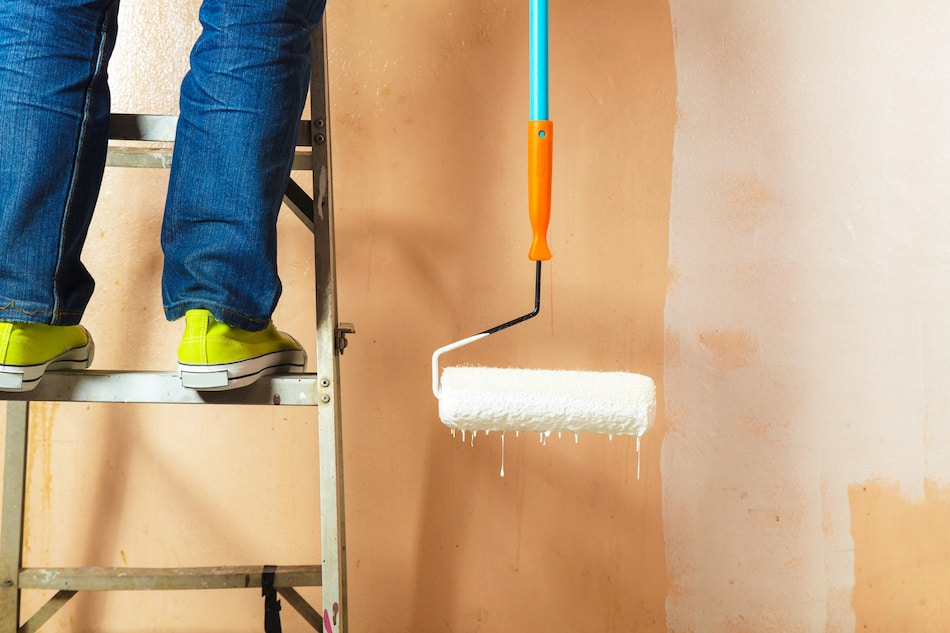
To prepare a house for painting before selling, complete all surface repairs first, then pressure wash the exterior, caulk gaps around windows and doors, prime bare wood and patched areas, choose a neutral color palette that appeals to the widest buyer pool, and apply two coats of premium paint inside and out. Doing this in the right order matters. Paint applied over unfixed cracks, dirty surfaces, or rotted wood will look poor and fail fast, sending buyers exactly the wrong signal. Done correctly, painting before selling is one of the highest-return investments a homeowner can make. According to a HomeLight survey of over 1,000 top real estate agents nationwide, exterior painting delivers an average ROI of 152%, adding approximately $7,571 to a home’s resale value. Interior painting adds an average 5% to home value with a 107% ROI. This guide covers exactly what to do, in what order, to get the maximum return on painting before listing in Lexington, South Carolina.
Should a House Be Painted Before Selling?
Yes, a house should be painted before selling in most situations. According to a HomeLight survey of top real estate agents, buyers will pay an average of 7% more for a house with great curb appeal compared to one with a neglected exterior. On a $400,000 home in the Lexington market, that 7% premium equals $28,000 in additional value. A fresh coat of paint on the exterior is the single most visible and cost-effective way to build that curb appeal. Inside the home, neutral painted walls remove the mental friction that bold or dated colors create for buyers trying to envision themselves living in the space.
A 2023 Zillow survey conducted by The Harris Poll found that 40% of recent home sellers paint their home’s interior before selling, and nearly 30% of those sellers said painting helped their home sell. According to Zillow’s home trends expert Amanda Pendleton, fresh paint in the right color delivers a powerful signal to buyers that a home is well-maintained and contemporary. Paint is a relatively easy and inexpensive change that has an outsized impact on how buyers value a home.
The decision to paint before listing does have exceptions. If the market is extremely hot with very low inventory, if the paint is in excellent condition and the color is already a modern neutral, or if the home is being sold as a fixer-upper where buyers plan to renovate, skipping paint can save time and money without sacrificing the sale. According to Redfin, if walls are clean, undamaged, and neutral, there is no need to repaint just for the sake of it. The condition and color of existing paint are what determine whether the investment is worth making.
How to Prepare a House for Painting Before Selling: Step by Step
Preparing a house for painting before selling follows a specific order. Surface repairs must come before any paint. Cleaning comes before primer. Primer comes before finish coats. Skipping or reversing any of these steps produces a paint job that looks poor in listing photos, performs poorly under buyer scrutiny, and may fail within months of the sale.
Step 1: Identify and Fix All Surface Problems Before Paint
Walk the entire perimeter of the home exterior and every room of the interior before opening a can of paint. Look for cracked caulk around windows, doors, and trim. Look for peeling, bubbling, or flaking paint. Look for soft wood on fascia boards, window sills, and door trim. Look for cracks in drywall and water stains on ceilings. Every one of these problems must be addressed before paint goes on.
According to HomeLight’s pre-sale painting guide, some lenders require that wood rot, cracked caulk, and gaps between siding be repaired before a home sale can close. Leaving these visible during showings also tells buyers the home has been neglected. Paige NeJame, owner of a CertaPro Painters franchise, is direct on this point: never, ever paint over rotted wood. Replace it first. Paint over rot simply hides the problem from view while it continues to decay beneath the surface, which can cause issues during a home inspection and kill a sale at the last minute.
Interior walls with dents, dings, nail holes, and minor cracks should be filled with spackling compound or joint compound, allowed to dry fully, sanded flush, and primed before paint. Unprepared walls show through paint, especially in listing photos taken with professional cameras under bright lighting. Buyers notice these imperfections in photos and start negotiations lower before they ever walk through the door.
Step 2: Pressure Wash the Exterior
Before any exterior paint is applied, the entire surface must be cleaned with a pressure washer. Dirt, mildew, chalking paint residue, and algae all prevent new paint from bonding to the surface. In Lexington, South Carolina and across the Lake Murray area, exterior surfaces accumulate significant mildew and algae growth because of the warm, humid climate. Paint applied over mildew without cleaning will begin to peel within one to two years, which means a buyer who discovers this pattern shortly after closing will have a legitimate complaint about the condition of the home at the time of sale.
After pressure washing, the surface must dry completely before any paint is applied. In South Carolina’s summer humidity, give the surface at least 48 hours to dry. Wood siding should reach below 15% moisture content before paint is applied. Paint over wet wood traps moisture and causes bubbling and blistering from beneath the finish coat.
Step 3: Caulk All Gaps and Joints
Fresh caulk around every window frame, door frame, and trim joint is a visible sign of a well-maintained home. According to HomeLight, cracked caulk and gaps between siding are among the first things buyers and home inspectors notice on a pre-sale walk-through. New caulk costs very little and takes a few hours to apply, but it prevents water infiltration, improves energy efficiency, and signals to buyers that the home has been cared for. Apply exterior-grade paintable caulk to all joints, tool it smooth with a wet finger, allow it to cure, and then paint over it. Never paint over old, cracked, or missing caulk, which would only seal the appearance temporarily while the underlying gaps remain.
Step 4: Prime Bare and Repaired Surfaces
Any area of bare wood, patched drywall, filled nail holes, or repaired cracks must receive a coat of primer before the finish color goes on. Primer seals porous surfaces, improves paint adhesion, and prevents stains and repairs from bleeding through the finish coat. Without primer, repaired areas absorb paint differently than surrounding surfaces and appear as visible patches after painting, which is exactly the opposite of what you want before listing a home.
For exterior wood that shows heavy weathering or bare grain, a wood-specific primer builds a stable base and dramatically improves the longevity of the top coat. For interior walls that have been repaired, a drywall primer prevents the characteristic flat, dull “flashing” that makes repairs visible through paint.
Step 5: Choose the Right Colors for Resale
Color selection has a measurable impact on how quickly a home sells and how much buyers offer. According to a Fixr.com survey of leading home staging and design professionals, 81% of professionals recommend warm neutrals for interior spaces when preparing a home for sale. According to HomeLight’s Top Agent Insights Q1 2020 Report, 98% of real estate agents believe buyers gravitate toward neutral color schemes. The goal is to remove visual friction. Buyers need to be able to see themselves living in the home. Bold, personalized colors make that mentally difficult and push buyers toward lower offers or no offer at all.
A Zillow survey found that 40% of recent sellers paint interiors before listing, and those who chose the right colors saw measurable impact on their offers. According to Zillow’s paint color research, a charcoal gray kitchen can sell for an estimated $2,512 more than similar homes. A pale blue bathroom can add an average of $5,440 compared to homes with white bathrooms. Living rooms painted in dove gray or light gray sold for a premium of $1,104. Yellow exterior paint, by contrast, reduced sale prices by an average of $3,408 compared to homes in other colors.
Step 6: Apply Two Full Coats with the Right Finish Level
One coat of paint is not enough for a pre-sale paint job. One coat does not build the protective film thickness needed to look uniform, cover previous colors or repairs, or hold up under the scrutiny of buyer showings and listing photography. Always apply two full coats, and always use a premium quality paint product. According to Brad Taflinger, an Indiana real estate agent cited by HomeLight, paint is not the place to cut corners. A low-quality paint at $18 per quart may require two to three extra coats to achieve coverage that a premium product achieves in two, and the final result is still more likely to look thin or blotchy.
Use the correct finish level for each surface. Flat paint on ceilings and low-traffic bedroom walls. Eggshell or satin on main living areas, hallways, and kitchens. Semi-gloss on trim, doors, and bathrooms. According to the HomeLight pre-sale painting resource, flat paint is specifically recommended for walls with imperfections because higher sheen levels like eggshell and satin highlight every dent, scratch, and crack through their reflective properties. A flat or matte finish is far more forgiving in listing photos and during in-person showings.
What Is the Best Color to Paint a House for Resale?
The best color to paint a house for resale is a warm neutral on the exterior and a light, modern neutral inside. For exteriors, the color that consistently attracts the most buyers and commands the strongest offers is greige, a warm blend of gray and beige. According to Zillow’s color research, this is the most attractive exterior color to buyers because it reads as fresh and modern while working with virtually any roofline, trim color, or landscaping. Pairing a greige body with dark accents on shutters, trim, and the front door adds contrast and curb appeal without polarizing buyers.
For interiors, the National Association of Realtors reports that neutral colors including white, beige, and warm gray are universally recommended for pre-sale painting because they make rooms look larger, cleaner, and more versatile. Interior designer Maria Killam, cited by Redfin, advises that the neutral must complement the home’s existing fixed finishes, such as tile, flooring, and countertops. Choosing a stark, cool white that clashes with warm wood floors or beige tile undermines the fresh, move-in-ready appearance the paint is supposed to create.
What Color Is Replacing Gray?
The color replacing gray in homes today is greige, and warm off-white and taupe tones are also gaining ground. According to a Fixr.com survey of staging and design professionals, warm whites described as creamy and cozy are among the top recommended colors for listing a home in the current market, followed by greige and soft taupe. These colors read as more contemporary and sophisticated than the cool blue-grays that were dominant in the previous decade. According to Zillow’s 2023 Paint Color Analysis, buyers are increasingly responding to dark, moody tones like charcoal and graphite gray in kitchens, which signals that the all-white minimalist trend has peaked and richer, more layered neutrals are what buyers now associate with a well-designed, updated home.
What Are the Three Paint Colors That Will Never Go Out of Style?
The three paint colors that will never go out of style for home resale are warm white, warm greige or taupe, and classic navy blue. Warm white has been the foundational neutral in American homes for generations because it is clean, reflects light well, and works with any decor style. Warm greige bridges the gap between gray and beige and has replaced both as the dominant modern neutral because it is softer than cool gray and more current than dated beige. Navy blue on front doors, shutters, and accent trim has been a standard in American exterior design for decades and consistently tests well with buyers as a sophisticated, high-end contrast color. All three of these choices are tied to architectural tradition rather than trend, which means they will not look dated five years after the paint dries.
What Devalues a House the Most?
The things that devalue a house the most are deferred maintenance, poor-quality cosmetic work, over-personalized finishes, and pricing above what the market supports. Paint is directly connected to the first two. Peeling, faded, or damaged exterior paint is among the most visible signs of deferred maintenance, and it signals to every buyer that the home has not been cared for. According to a survey by independent paint retailer The Paint Shed, nearly 4 in 10 buyers would offer less for a home based on its color scheme alone, and nearly 1 in 5 would not make an offer at all.
According to FastExpert’s real estate advisor panel, poor-quality renovations, over-customization, and neglected exterior presentation are the top value-killers that sellers control. Bad paint does all three at once. It signals neglect, reflects a personal choice that not all buyers share, and damages the exterior appearance that buyers form an opinion about before they even walk inside.
What Colors Decrease Your Home Value?
Colors that decrease your home value are bold, saturated, or highly personal choices that limit your buyer pool. According to research by Kaybridge Residential’s founder Kevin Barzegar, the most value-reducing colors are dark brown walls, which absorb light and make rooms feel cramped, dated yellow and peach beige tones that look like a home from the 1980s or 1990s, and red walls, which are too divisive to appeal to most buyers. According to Zillow’s extensive color research across more than 32,000 home sales, yellow exterior paint reduced sale prices by an average of $3,408. Terra cotta or orange living rooms sold for an average of $793 less than comparable homes. Forest green bathrooms caused an average drop of $1,700. These are not trivial numbers on a home sale.
Bold color is not inherently wrong in a home someone lives in. The problem arises when it is time to sell. Buyers make subconscious judgments about what a color signals about the home’s maintenance and modernity. Dark brown walls make a buyer mentally calculate the cost of repainting before they make an offer. Red walls create an emotional reaction that sends more buyers away than it attracts. The result in both cases is a smaller buyer pool and lower offers.
What Not to Fix Before Selling a House?
What you should not fix before selling a house includes major structural renovations, full kitchen or bathroom gut-remodels, luxury upgrades that exceed the neighborhood’s price ceiling, and cosmetic repairs in areas buyers will not see or care about. According to real estate advisor panels surveyed by FastExpert, over-improving for the neighborhood almost never returns the full investment dollar-for-dollar. A $50,000 kitchen remodel in a neighborhood where comparable homes sell at $350,000 will not produce a $50,000 increase in offer price.
Paint is specifically in the category of improvements that always make financial sense because it costs a small fraction of major renovations and returns more than its cost in increased sale price. The projects not worth doing before selling are the expensive ones. Paint is one of the very few exceptions where the math works strongly in the seller’s favor.
The table below shows which pre-sale painting projects deliver the strongest ROI and which situations allow a seller to skip the repaint.
| Situation | Recommendation | ROI Reference |
|---|---|---|
| Exterior paint fading, peeling, or dated color | Repaint exterior before listing | 152% average ROI per HomeLight |
| Bold, personalized interior wall colors | Repaint to neutral before listing | 107% average ROI per HomeLight |
| Interior paint clean, neutral, and recent | Skip repaint, clean walls instead | Saves cost, no meaningful gain |
| Minor scuffs in low-visibility areas | Spot clean or touch up only | Full repaint not justified |
| Wood rot, cracks, or damaged caulk present | Repair first, then repaint | Required before paint can deliver ROI |
| Front door only (limited budget) | Paint front door a dark accent color | Dark door adds avg. $1,514 per Zillow |
Sources: HomeLight Top Agent Insights Survey 2023; Zillow 2023 Paint Color Analysis; National Association of Realtors 2019 Curb Appeal Survey; The Paint Shed Independent Research Survey
What Makes a Home Look Wealthy?
A home looks wealthy when the exterior paint is fresh and cohesive, trim and doors are crisp, and the color palette creates visual contrast without clutter. According to Zillow’s chief economist Svenja Gudell, color is a powerful tool for attracting buyers, especially in listing photos and videos. Homes that photograph as clean, cohesive, and current attract significantly more buyer attention than homes with dated, clashing, or worn paint.
A two-tone exterior with a warm greige or soft white body and a dark navy or charcoal front door and trim signals quality and deliberate design. Inside, fresh neutral walls with clean white trim and consistent sheen levels create a move-in-ready appearance that buyers associate with a well-maintained, high-value home. According to the HomeLight pre-sale resource, 76% of top real estate agents nationwide say improving curb appeal is the single most important thing a seller can do to boost a home’s marketability.
Fresh, professional paint also signals that the rest of the home is maintained. Buyers make a rapid mental assessment as they approach a home and walk through it. A great paint job creates positive assumptions about what they cannot see. A bad paint job creates negative ones. This psychological effect is real and measurable in offer prices.
What Are Some Red Flags When Selling?
Red flags when selling a house that buyers and home inspectors consistently flag include peeling or bubbling exterior paint, water stains on walls and ceilings, visible mold or mildew on siding, caulk that is cracked or missing around windows and doors, and fresh paint applied directly over obvious damage or rot. According to the HomeLight pre-sale guide, lenders can require that peeling paint and wood rot be repaired before a sale closes, especially on FHA and VA financed purchases. A home that fails to meet lender standards can collapse a sale that is already under contract. Addressing these items before listing eliminates them as inspection findings and negotiating points.
Paint applied over damage rather than over properly repaired surfaces is among the most visible red flags a buyer or inspector can find. It implies the seller was trying to hide a problem rather than fix it. This inference alone can cause buyers to pull offers or demand significant price reductions to cover the perceived risk of what else might be hidden.
How to Increase Home Value by Painting in Lexington, SC
To increase home value by painting in Lexington, SC, focus the investment on the exterior first, the front door second, the main living areas third, and kitchens and bathrooms fourth. This order maximizes ROI per dollar spent because it prioritizes what buyers see first, which determines whether they pursue the home, and then what they see and remember most during a showing.
The Lexington and Midlands market is competitive, with homes in Lexington, Red Bank, Chapin, and the Lake Murray area often competing against freshly renovated comparable listings. A home with a clean, professionally painted exterior and bright, neutral interiors photographs significantly better and stands out in online listings, where most buyers make their initial decision to schedule a showing. According to real estate photographer Michael Simmons, cited in a TCB Painters analysis of pre-sale painting ROI, when a home looks crisp and well-kept on the outside, buyers walk in with higher expectations and often higher offers.
South Carolina’s warm, humid climate also means that exterior paint degrades faster than in drier regions. A home that has not been painted in seven to ten years in the Lexington area is likely showing significant fading, chalking, and possible mildew on north-facing and shaded surfaces. Buyers and their agents notice this immediately, and the condition of the exterior paint is often used to justify lower offers or inspection contingency requests. A professional exterior paint job removes all of those vulnerabilities before they become negotiating points.
For homeowners in Lexington, Red Bank, Gilbert, and the surrounding Lake Murray area who are preparing to list, exterior painting services from a licensed and insured local contractor is the most direct path to maximizing the return that paint delivers at resale.
Frequently Asked Questions
Should I Paint My House Before Selling It in Lexington, SC?
Yes, you should paint your house before selling it in Lexington, SC if the paint shows fading, peeling, cracking, or an outdated color. According to a HomeLight survey of over 1,000 top real estate agents, exterior painting delivers an average 152% ROI and adds approximately $7,571 to a home’s value. The Lexington and Columbia market is active and competitive. A freshly painted home photographs better, attracts more showings, and gives buyers confidence that the home has been well maintained. In South Carolina’s climate, exterior paint exposed to heat, UV, and humidity for five or more years is typically showing visible wear that buyers will negotiate against.
What Is the Best Color to Paint a House Before Selling in South Carolina?
The best color to paint a house before selling in South Carolina is a warm greige or soft white for the body with dark contrasting trim and a charcoal or navy front door. According to Zillow’s paint color research, greige is the exterior color most associated with higher offer prices from buyers. A dark front door adds an average of $1,514 to a home’s asking price. Interiors should be painted in warm whites, soft taupes, and light grays that complement the home’s fixed finishes. According to a Fixr.com survey of staging professionals, 81% recommend warm neutrals for homes being prepared for sale.
What Repairs Should Be Done Before Painting a House for Sale?
Before painting a house for sale, repair all wood rot and replace damaged boards, re-caulk all gaps around windows, doors, and trim joints, fill and sand all interior wall damage including nail holes and cracks, clean all exterior surfaces with pressure washing, and prime all bare and repaired surfaces. According to HomeLight’s pre-sale preparation resource, some lenders require that peeling paint, wood rot, and structural exterior issues be repaired before a home sale can close. Completing these repairs before the paint job eliminates inspection findings and prevents a buyer from using visible damage as leverage to reduce the sale price.
How Long Before Listing Should I Paint My House in Lexington?
You should paint your house at least two to four weeks before listing it in Lexington. This allows enough time for the paint to cure fully, for touch-ups to be completed, for the home to air out from any paint odors, and for staging to be completed before listing photos are taken. According to Redfin’s pre-sale painting guide, starting painting as soon as you decide to sell gives you the most flexibility. A professional painting crew can typically complete an exterior paint job on a standard single-story home in two to four days, and an interior in a similar timeframe, but the curing and touch-up phase adds days beyond that.
Does Painting the Front Door Increase Home Value Before Selling?
Yes, painting the front door increases home value before selling. According to Zillow’s paint color research, a dark front door in navy, charcoal, or black adds an average of $1,514 to a home’s asking price and is one of the highest-return small projects a seller can complete before listing. The front door is the focal point of a home’s first impression. A freshly painted door in a strong contrast color signals quality and care to buyers approaching the home and stands out in online listing photos. This is one of the most cost-effective improvements available, requiring a single quart of semi-gloss paint and an afternoon of work for results that buyers consistently respond to.
Is It Worth Hiring a Professional Painter Before Selling in Lexington?
Yes, hiring a professional painter before selling in Lexington is worth it. According to Old Crow Painting, a poor paint job can actually hurt a sale by suggesting to buyers that the home’s visible issues are covering up deeper problems. Professional painters deliver clean lines, even coverage, proper prep, and a finish that holds up under the scrutiny of showings and listing photography. According to the HomeLight pre-sale resource, Paige NeJame of CertaPro Painters specifically warns that professional-grade results are essential when painting to sell. A DIY paint job that shows brush marks, roller lines, or uneven coverage will be visible in listing photos and during showings.
What Colors Should I Avoid When Painting Before Selling?
Colors to avoid when painting before selling include dark brown, which absorbs light and makes rooms feel smaller and dated; bright yellow interiors, which can reduce sale prices by nearly $800 to $3,000 depending on the room; red walls, which are too divisive to appeal to most buyers; any highly saturated neon or bright color; and dated yellowy beiges that read as 1990s rather than modern. According to research from Kaybridge Residential’s Kevin Barzegar, bold and bright colors are the most common paint-related reason buyers mentally calculate the cost of repainting and reduce their offers accordingly. The safest approach is a warm neutral inside and greige or a warm white outside.
Final Thoughts
Painting before selling is one of the most financially sound decisions a homeowner can make before listing. The data is consistent across every major real estate survey: exterior painting returns an average 152% ROI and interior painting returns 107%, making both among the top-performing pre-sale upgrades available. The preparation steps matter as much as the paint itself. Fixing surface damage, pressure washing, caulking, and priming are what separate a paint job that looks great and lasts from one that looks rushed and triggers buyer concerns. The color choices matter, too. Modern warm neutrals, greige exteriors, and dark front doors are what buyers in today’s market respond to with stronger offers and faster decisions.
For homeowners in Lexington, Red Bank, Chapin, and the Lake Murray area preparing to sell, the team at Soda City Painting provides full-service house painting that starts with proper surface prep and delivers the kind of result that shows well in listing photos and holds up under buyer inspection. BBB accredited, licensed, and insured, they serve the Lexington and Columbia market with professional-grade work on both interiors and exteriors. Contact them today for a free estimate and get your home ready to sell at its full value.