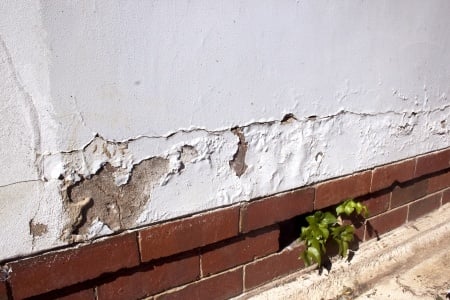
Paint peels on exterior surfaces because of moisture, poor surface preparation, low-quality paint, UV exposure, and temperature swings. These problems break the bond between paint and the surface underneath. When that bond fails, peeling and flaking follow. This article covers every major cause of exterior paint peeling, explains how to stop it from happening again, and answers the most common questions homeowners in Lexington, SC and the surrounding area ask about this problem.
What Causes Paint to Peel on Exterior Surfaces?
The causes of exterior paint peeling are moisture getting behind the paint film, bad surface prep before painting, incompatible paint types, UV damage, extreme temperature changes, and old age. According to industry data from Legacy Painting and Renovating, properly addressing moisture problems before painting can prevent as many as 90% of all exterior paint failures. Each cause has its own warning signs, and knowing which one you are dealing with tells you exactly how to fix it for good.
Homeowners across Lexington, Red Bank, and the Lake Murray area see this problem every year. South Carolina’s hot summers, heavy rain, and high humidity create the ideal conditions for paint failure. Understanding the root cause is the only way to stop it from coming back after the next repaint.
Is Moisture the Number One Cause of Exterior Paint Peeling?
Yes, moisture is the number one cause of exterior paint peeling. According to Sherwin-Williams, interior moisture migrating through exterior walls, leaking roofs, painted surfaces too close to bare ground, and painting on a damp surface are the top moisture-related triggers for peeling paint. Once water gets behind the paint and soaks into the wood or siding, the material swells and loosens its bond with the paint film. That bond eventually breaks, and the paint peels away.
In Lexington, SC, this is a very real problem. South Carolina consistently ranks among the most humid states in the country. Homes near the Lake Murray shoreline, along the Saluda River, and in wooded neighborhoods around Red Bank often trap moisture against siding, trim, and wood surfaces. That trapped moisture has only one place to go, and it pushes straight through the paint.
There are two types of moisture problems to watch for. The first is internal moisture, where humidity from bathrooms, kitchens, or basements travels through walls and tries to escape through the exterior surface. This usually shows up as bubbles or blisters in the paint. The second is external moisture, where rain, condensation, and standing water soak into the surface directly. This type of peeling is most obvious near the ground, under gutters, and on horizontal surfaces where water sits.
Fixing gutters, sealing cracks in caulk around windows and doors, and making sure wood siding sits at least 6 inches above the ground are all steps that Sherwin-Williams recommends for stopping moisture from destroying exterior paint. None of those repairs work, though, if the surface is not fully dry before a new coat of paint goes on.
Does Poor Surface Preparation Cause Paint to Peel?
Yes, poor surface preparation causes paint to peel, and it does so faster than almost any other factor. According to industry analysis cited by Legacy Painting and Renovating, inadequate surface preparation is responsible for up to 80% of all coating failures. Skipping cleaning, sanding, or priming gives the paint nothing to grip. The result is peeling that starts within months, not years.
Bad preparation can mean leaving loose or flaking paint under the new coat. It can mean painting over dirt, grease, mold, or bird droppings. It can mean using the wrong primer for the surface type or skipping primer altogether. Each of these shortcuts creates a weak layer that fails fast.
Many homeowners in Gilbert and Chapin have called for a repaint only to find the previous painter painted right over old peeling paint. That kind of job looks fine for a few weeks, then starts failing at every spot where prep was skipped. Scraping all loose paint, washing the surface, sanding rough edges, and using a quality primer matched to the surface material are non-negotiable steps for a paint job that holds.
Proper prep work on exterior painting projects is the single biggest factor separating a paint job that lasts 8 to 10 years from one that starts peeling in the first season.
Can Using the Wrong Type of Paint Cause Exterior Peeling?
Yes, using the wrong type of paint can absolutely cause exterior peeling. The biggest mistake homeowners make is using interior paint on an exterior surface. Interior paint is not made to handle rain, humidity, UV rays, or temperature swings. It breaks down fast when exposed to outdoor conditions. According to painting experts at The Hive Painting, interior paint is typically cheaper than exterior paint, but it is also not built to withstand what the outside of a house faces every day.
Paint compatibility matters too. Applying a water-based latex paint directly over multiple old layers of oil-based paint without proper prep can cause what industry professionals call catastrophic failure, where entire sections peel down to bare wood. This Old House has documented this problem extensively, noting that the tension created as new latex dries and contracts over unstable oil-based layers can pull everything off, including paint that had bonded for decades.
For homes in the Lexington and Columbia area, 100% acrylic latex paint is the best choice for exterior surfaces. It is flexible, handles South Carolina’s temperature swings well, and resists mildew far better than cheaper options. Always confirm with a paint professional that the product you choose is rated for the specific surface you are painting, whether that is wood siding, fiber cement, stucco, or masonry.
How Does UV Exposure Cause Paint to Peel?
UV exposure causes paint to peel by breaking down the binders inside the paint film over time. Binders are the ingredient that holds paint together and keeps it stuck to the surface. When UV rays degrade those binders, the paint becomes brittle, starts chalking (leaving a powdery residue), and eventually cracks and peels. According to data from Rhino Shield, the intense South Carolina sun can lead to fading and surface chalking, which signals that the paint’s protective capabilities have been compromised.
Darker paint colors absorb more heat than lighter ones. According to data from First Place House Painting, lighter colors can last two to five years longer on exterior surfaces than dark colors because they reflect rather than absorb solar heat. A deep navy or dark gray exterior on a south-facing wall in Lexington, SC is going to degrade faster than the same wall painted in a soft white or cream tone.
Higher-quality exterior paints include UV absorbers and stabilizers that slow this process down significantly. Budget paints skip these additives to cut costs, and homeowners pay for that choice within a few years when the surface starts failing.
Do Temperature Changes Cause Exterior Paint to Peel?
Yes, temperature changes cause exterior paint to peel because siding, wood, and other building materials expand when they heat up and contract when they cool down. Paint does the same thing, but eventually it cannot keep up with how much the surface beneath it is moving. According to The Hive Painting, materials like Hardie board siding, wood, and stucco expand and contract with temperature changes, and paint follows until it can no longer flex enough to stay bonded.
In Lexington, SC, summer temperatures regularly push past 90 degrees Fahrenheit during the day, then cool significantly at night. That daily cycle puts real stress on exterior paint, especially on south-facing and west-facing walls that get the most sun. According to Triangle Pro Painting’s research on southeastern climates, this thermal cycling accelerates paint breakdown faster than many homeowners expect.
Oil-based paints handle temperature swings especially poorly because they are rigid. When they cannot flex with the surface movement, they crack. Once cracking starts, moisture gets in, and peeling follows quickly.
How Does Painting in Bad Weather Cause Paint to Peel?
Painting in bad weather causes paint to peel because temperature and humidity extremes prevent the paint from bonding correctly during application and drying. Experts recommend painting exterior surfaces when the relative humidity is between 40% and 70% and the temperature stays between 50 and 85 degrees Fahrenheit. Painting outside these ranges leads to adhesion problems that show up as peeling within weeks or months.
Painting in high humidity, which is very common during Lexington summers, slows drying time dramatically. According to Rhino Shield Florida’s exterior painting research, high humidity slows drying and weakens adhesion, leading to bubbling, peeling, and mold growth. If paint does not dry properly between coats, the layers do not bond correctly, and the whole system fails.
Rain is the most obvious weather risk. Anderson Painting NC notes that rainwater hitting fresh exterior paint weakens adhesion and causes peeling and flaking once the surface dries. Even light mist from a passing cloud can affect the appearance and dry time of a fresh coat. The best months to paint in South Carolina are typically spring and fall, when temperatures are moderate and humidity is lower than in the summer peak.
What Is the Best Month to Paint the Outside of Your House?
The best months to paint the outside of your house are April through May and September through October in South Carolina. These months offer the most stable temperatures and lower humidity levels compared to the sweltering summer heat. According to Mark T. Knaebe, a chemist at the USDA Forest Products Laboratory, spring is an ideal time to repaint because you can finish before temperatures get too high. For Lexington homeowners, scheduling exterior work before the summer humidity peaks or after it breaks in early fall gives paint the best conditions for curing properly.
Is October Too Late to Paint Outside?
No, October is not too late to paint outside in Lexington, SC. South Carolina’s mild fall weather makes October one of the better months for exterior painting in the region. Temperatures in Lexington through October typically stay well above the 50-degree minimum needed for exterior paint to bond correctly. The key is to watch the daily forecast and avoid painting if rain is expected within 48 hours or if overnight temperatures are going to drop below 50 degrees Fahrenheit.
Does Old Paint Cause New Paint to Peel?
Yes, old paint can cause new paint to peel. When too many layers of old paint have built up on a surface over the years, the accumulated coatings become unstable. A new coat of paint puts tension on those old layers as it dries and shrinks. If the old layers are not firmly bonded, that tension pulls everything loose. Industry professionals sometimes call this substrate failure, and it is one of the hardest paint problems to predict because the old paint may look fine until a new coat triggers the failure.
This is especially common on older homes in Lexington and the surrounding communities, where siding may have been painted four, five, or more times over the decades without proper stripping in between. According to This Old House, the problem is particularly bad when new latex paint goes over multiple old layers of oil-based paint. The combination creates conditions where entire walls can peel down to bare wood, taking decades of bonded paint with them.
The fix is thorough prep, stripping paint down to a stable surface before applying new coats, and using a quality bonding primer to create a fresh, stable base. Homes with drywall repair or damaged wall sections often need the same approach before any new exterior paint is applied.
Can You Paint Over Peeling Exterior Paint?
No, you should not paint over peeling exterior paint without fixing the underlying problem first. Painting over peeling paint without removing the loose sections and addressing the root cause guarantees that the new paint will peel again, often faster than before. According to Blue Note Painting, peeling paint is almost always peeling for a reason, and painting over it without fixing that reason just delays the failure by a few months.
The right process is to scrape all loose and peeling paint, sand the edges of the remaining paint so there are no sharp transitions, repair any damaged wood or siding, prime all bare areas, and then apply a quality exterior topcoat. Skipping any of these steps results in a paint job that starts failing before the job is even fully dry.
If the peeling is widespread across most of the home’s exterior, a full repaint with proper prep from start to finish is the right call. Spot repairs can work for small isolated areas where peeling is caused by something specific, like a clogged gutter that has since been fixed.
How to Fix Exterior Paint Peeling
To fix exterior paint peeling, start by scraping all loose and flaking paint with a putty knife or scraper. Remove every piece that is not firmly bonded to the surface. Next, sand the edges of the remaining paint smooth so there are no raised ridges for the new paint to bridge over. Clean the entire surface to remove dirt, mildew, and dust. If mildew is present, a diluted bleach solution is effective before rinsing. After the surface is fully dry, apply an exterior-grade primer matched to the surface material, whether that is wood, fiber cement, stucco, or masonry. Then apply at least two coats of high-quality acrylic latex exterior paint. According to A New Leaf Painting, exterior paint on wood lasts only 4 to 7 years, so using premium paint is worth the investment.
Any cracks, gaps around windows, or holes in siding need to be filled and caulked before priming. Gaps are entry points for water, which starts the whole peeling cycle over again if left open.
How to Stop Outside Paint from Peeling in the Future
To stop outside paint from peeling in the future, address the root cause before you repaint, use the right paint and primer for your surface, and never skip prep. Here is a summary of the most effective prevention strategies:
Fix any moisture sources first. Repair leaking gutters, seal gaps around windows and doors, and make sure siding is at least 6 inches above ground level. According to Sherwin-Williams, these steps alone eliminate the most common reason paint fails on exterior surfaces.
Always use a primer. Many homeowners in Lexington try to skip primer to save time or money. That choice almost always costs more in the long run. A quality primer creates the bonding layer that exterior topcoats need to adhere properly and last through South Carolina’s weather cycles.
Choose 100% acrylic latex paint with mildewcide additives. This is the best choice for the humid southeastern climate. According to research on southeastern painting conditions from Triangle Pro Painting, premium acrylic latex paints with added mildewcides can extend repainting intervals by 2 to 3 years compared to standard formulations.
Homes with wooden decks, fences, or dock structures near Lake Murray face the same moisture and UV challenges as the main house. Keeping up with deck, dock, and fence maintenance protects those surfaces from the same peeling cycle.
What Is the Best Exterior Paint That Won’t Peel?
The best exterior paint that won’t peel is a 100% acrylic latex paint with UV stabilizers and mildewcide additives, applied over a quality exterior primer on a properly prepared surface. Paint quality matters enormously. According to Rhino Shield’s internal data from homeowners across multiple regions, the most common timeframe for exterior repainting is every 5 to 7 years, but homes with premium paint and proper prep can go 10 to 12 years before needing a full repaint.
Is exterior paint with primer any good? Exterior paint marketed as paint and primer in one is a convenience product, but it is not the best option when peeling is a concern. According to A New Leaf Painting, 2-in-1 paint and primer combinations do not perform as well as separate primer and topcoat systems, especially on bare wood and previously peeling areas. When long-term durability matters, using a dedicated primer is the smarter choice.
How Many Years Should Exterior House Paint Last?
Exterior house paint should last between 5 and 10 years on most surfaces when properly applied by a professional. According to CertaPro Painters, most professionally applied exterior paint jobs fall within this range, with some materials lasting longer when prep, product selection, and application are all done correctly. The surface material makes a significant difference in how long paint holds up.
| Surface Type | Average Paint Lifespan | Key Risk Factors |
|---|---|---|
| Wood Siding | 4 to 7 years | Moisture absorption, UV, expansion/contraction |
| Fiber Cement / Hardie Board | 10 to 15 years | Temperature cycling, surface prep quality |
| Stucco | 5 to 10 years | Moisture absorption, cracking |
| Aluminum Siding | 5 to 10 years | Chalking, oxidation, adhesion |
| Brick (painted) | 8 to 17 years | Moisture trapped in mortar, proper sealing |
| Metal Siding | 10 years with repainting | Rust, corrosion, primer compatibility |
Sources: A New Leaf Painting, Allstate Waterproofing, Groovy Hues, CertaPro Painters
In South Carolina’s climate, homes at the lower end of these ranges are the norm, not the exception. The state’s high humidity, intense summer sun, and frequent rain all accelerate the natural degradation of exterior coatings. Homeowners near Lake Murray and along the Saluda River corridor often find that shaded walls with less direct sun hold paint longer, while south-facing walls in full sun may show wear first.
Is 10-Year-Old Unopened Paint Still Good?
No, 10-year-old unopened paint is generally not good for exterior use. Paint has a shelf life, and most latex and acrylic exterior paints are usable for 2 to 5 years when stored properly in a sealed container at stable temperatures. After that, the binders and pigments break down, the paint may separate in ways that cannot be fully corrected by stirring, and the resulting film will not perform the way a fresh can would. According to Blue Note Painting, paint is a chemical and, like other chemicals, it goes bad if not used before it expires. Using old degraded paint on an exterior surface is one of the fastest ways to guarantee early peeling.
What Is the Hardest Color to Paint Over?
The hardest color to paint over on an exterior surface is a dark, deeply saturated color, especially red, deep blue, or dark green. These colors contain high concentrations of pigment that can bleed through lighter topcoats. According to First Place House Painting, darker colors also absorb significantly more solar heat than lighter ones, which accelerates paint degradation on exterior surfaces. When covering a dark color with a lighter one, a tinted primer matched close to the new color is the most effective way to get full coverage without requiring excessive extra coats of topcoat.
When Not to Paint Your House
You should not paint your house when rain is in the forecast within 48 hours, when temperatures are below 50 degrees Fahrenheit or above 90 degrees Fahrenheit, when humidity is above 85%, or when the surface is wet from dew, condensation, or recent rain. Painting under any of these conditions leads to poor adhesion and early paint failure. According to Anderson Painting NC, rainwater hitting fresh exterior paint weakens adhesion and leads to peeling and flaking once dry. In Lexington, SC, midsummer days with temperatures above 95 degrees and humidity above 80% are poor conditions for exterior painting, even though the sun means surfaces dry quickly on the surface. The problem is that paint applied in extreme heat can dry too fast, forming a skin before the deeper layers have properly cured, which leads to cracking and peeling later.
Porches, sheds, and other exterior structures face the same timing rules. Getting porch painting done during the right weather window makes a big difference in how long the finish holds up through South Carolina seasons.
What Is the Best Day to Paint?
The best day to paint an exterior surface is a dry day with moderate temperatures between 50 and 85 degrees Fahrenheit, relative humidity between 40% and 70%, and no rain expected for at least 48 hours. According to exterior painting guidance from CET Painting, the ideal temperature range for exterior paint ensures optimal adhesion and a fully cured finish. In Lexington, SC, calm, overcast days in spring and fall often provide ideal conditions because they keep temperatures stable and reduce direct sun glare, which can cause paint to dry unevenly across a surface. Morning application, after any dew has evaporated, is usually better than afternoon in humid conditions.
Is It Better to Paint in Direct Sunlight or Shade?
It is better to paint exterior surfaces in shade or indirect light than in direct sunlight. Direct sunlight causes paint to dry too fast on the surface, preventing it from bonding fully to the substrate underneath. According to CET Painting, painting in direct sunlight can result in uneven application and premature drying. Professional painters in Lexington often follow the shade around a house during the day, moving from wall to wall to stay out of the harshest direct sun. This is especially important in South Carolina’s summer months when midday temperatures and UV intensity are at their highest.
Why Does Exterior Paint Peel Near Windows and Trim?
Exterior paint peels near windows and trim most often because of failed caulk, moisture intrusion, or wood movement. Windows are one of the biggest entry points for water on a home’s exterior. When caulk around a window frame cracks or pulls away from the surface, water runs behind the siding and soaks the wood underneath. That moisture pushes paint off from the inside out. Trim boards often face additional wood movement because they are thinner and more exposed to direct sun and rain than siding panels.
In older homes across Lexington neighborhoods and communities near Gilbert, trim boards may have been painted many times without recaulking. Once caulk fails, peeling at the edges of trim is almost guaranteed within the next season or two. Recaulking every window, door, and trim joint before repainting is a step that extends the life of the entire paint job, not just those areas.
For homes with significant surface damage on walls connected to interior spaces, combining exterior paint work with sheetrock repair or installation can address both the interior and exterior side of the moisture problem at the same time.
Does Mold and Mildew Make Exterior Paint Peel?
Yes, mold and mildew make exterior paint peel by growing between the paint film and the surface beneath it. Mold and mildew are common on exterior surfaces in South Carolina because the combination of humidity, heat, and shade creates a perfect environment for them to thrive. Once mold establishes itself under the paint layer, it breaks the adhesion bond from underneath. The paint lifts and peels as the mold colony expands.
Painting over mold without killing it first is one of the most common mistakes homeowners make. The mold continues to grow under the new coat of paint, and the same peeling problem comes back within a short time. The correct approach is to treat the surface with a mildewcidal cleaner or diluted bleach solution, let it dry completely, and then prime with a mold-resistant primer before any topcoat goes on.
Houses in wooded lots around Red Bank and Lake Murray, where shade keeps surfaces damp longer, are especially vulnerable to mildew-related paint failure. Choosing a topcoat paint with built-in mildewcide additives is a smart choice for any home in this region.
Does a Leaking Roof Cause Exterior Paint to Peel?
Yes, a leaking roof causes exterior paint to peel by saturating the wall structure with water that has nowhere to escape except outward through the siding. Even a small, slow roof leak can carry enough moisture into wall cavities to blister and peel exterior paint on the wall below or beside the leak. According to Sherwin-Williams, repairing leaking roofs is one of the key steps for fixing exterior paint failure caused by moisture. Repainting without fixing the leak first is pointless. The new paint will fail in the same spots as the old paint, because the root cause was never addressed.
The house painting process always starts with identifying and resolving any moisture issues before a single drop of new paint goes on. That approach is what separates a paint job that lasts from one that peels again within the year.
Frequently Asked Questions
Why does exterior paint peel so fast after a fresh paint job in Lexington, SC?
Exterior paint peels fast after a fresh paint job in Lexington, SC most often because of poor surface preparation, painting in high humidity, or unresolved moisture issues. South Carolina’s humidity is consistently higher than the national average, and painting on a surface that still holds moisture from rain or dew prevents the paint from bonding correctly. According to industry data, inadequate surface preparation alone accounts for up to 80% of all coating failures. A professional who preps the surface correctly, uses a proper primer, and selects a paint rated for high-humidity climates can dramatically extend the life of any exterior paint job in this region.
How often should homeowners in the Lake Murray area repaint their home’s exterior?
Homeowners in the Lake Murray area should plan to repaint their home’s exterior every 5 to 8 years on average. Homes near the water face higher moisture exposure, and shaded lots along the shoreline stay damp longer between rain events. According to CertaPro Painters, most professionally applied exterior paint jobs last between 5 and 10 years, but humid southeastern climates like ours push many homes toward the lower end of that range. Annual inspections to catch early peeling or caulk failure can extend the time between full repaints significantly.
Can exterior paint on wood siding peel faster in Gilbert, SC because of tree coverage?
Yes, exterior paint on wood siding in Gilbert, SC can peel faster on homes with heavy tree coverage because shaded surfaces stay wet longer after rain and dew. Moisture is the leading cause of exterior paint failure, and shaded walls that never fully dry between weather events accelerate that failure. Homes surrounded by tall trees should consider mildewcide-enhanced paint products and schedule power washing at least once a year to remove mold, algae, and grime that build up faster in shaded areas.
What are the first signs that exterior paint is starting to fail on a Lexington home?
The first signs that exterior paint is starting to fail on a Lexington home are chalking (a powdery residue when you wipe the surface), hairline cracking, fading that looks uneven across the wall, and small bubbles or blisters near the ground or under windows. Chalking means the paint’s binders are breaking down from UV exposure. Cracking and bubbles indicate moisture or temperature stress. Catching these signs early, before full-scale peeling starts, makes repairs much simpler and extends the overall life of the paint system.
Is it worth repainting an exterior if paint is only peeling in a few spots in Red Bank?
Yes, it is worth repainting peeling spots on an exterior in Red Bank before they grow. Small, localized peeling areas almost always have a specific cause, such as a clogged gutter, a failed caulk joint, or a shaded spot that stays damp. Fixing the cause and doing a proper spot repair with scraping, priming, and repainting stops the problem from expanding. Ignoring small peeling areas allows moisture to get further into the substrate, which turns a small repair into a full repaint much sooner. Annual touch-up maintenance every 2 to 3 years is far less expensive than full exterior repaints triggered by neglect.
Does shed or fence paint peel for the same reasons as house paint in Lexington?
Yes, shed and fence paint peels for the same reasons as house paint in Lexington, and often faster because sheds and fences typically receive less maintenance attention. Wood fences are close to the ground, where moisture from soil and rain splashes constantly onto the lower sections. Sheds often have limited overhang protection from rain. According to painting industry guidance, surfaces that are too close to bare ground and horizontal surfaces where water collects are the first places exterior paint fails from moisture. Proper prep, a compatible primer, and quality exterior paint are just as important for these structures as for the main house exterior.
What color paint lasts longest on an exterior surface in South Carolina’s climate?
Lighter paint colors last longest on exterior surfaces in South Carolina’s climate because they reflect heat rather than absorbing it. According to data from First Place House Painting, lighter colors can last 2 to 5 years longer on exterior surfaces than dark colors. In a state with intense summer sun like South Carolina, this difference is meaningful. Soft whites, light grays, warm beiges, and pastel tones hold up better under UV stress than deep saturated colors. This does not mean dark colors cannot be used, but homeowners choosing them should plan for more frequent repainting cycles, and ensure a premium paint with strong UV stabilizers is used.
Final Thoughts
Exterior paint peels for specific, fixable reasons. Moisture is the top cause, but poor prep, bad paint choices, UV damage, temperature swings, and painting in the wrong conditions all play a role. South Carolina’s climate makes these challenges more intense than in many other parts of the country, and homeowners in Lexington, Red Bank, Gilbert, and the Lake Murray area deal with them every season. The good news is that every one of these causes can be addressed with the right approach before a new coat of paint ever goes on.
If your home’s exterior paint is peeling, blistering, or fading, now is the time to get ahead of it before the next rain season makes it worse. Soda City Painting’s exterior painting services cover every step, from thorough surface prep and primer selection to the final topcoat, using products built for South Carolina’s heat and humidity. The team serves Lexington, Red Bank, Gilbert, Lake Murray, and the surrounding Columbia area.
Call Soda City Painting today at (803) 221-0771 or contact us online to schedule a free estimate. A properly prepared and professionally painted exterior can last a decade or more. Do not let peeling paint become a bigger, more expensive problem than it needs to be.