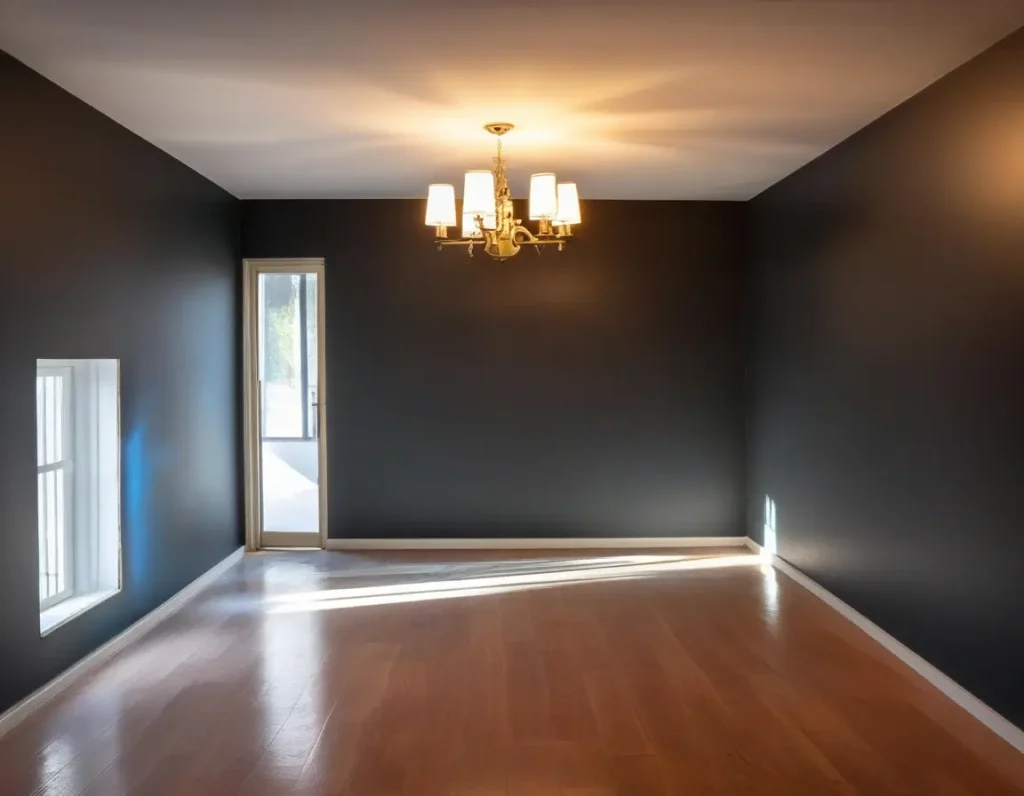
Yes, you can paint over dark walls with light colors, but it takes the right prep work, primer, and technique to get a clean, even finish. Skipping steps like priming or using cheap paint will cause the old dark color to bleed through and leave your walls looking blotchy. This guide walks you through every step of painting light over dark, from picking the best primer to choosing the right number of coats. Homeowners in Lexington, SC and the surrounding Columbia area will also find helpful tips on when to call in a professional for a flawless result.
Can You Paint a Light Color Over a Dark Color Wall?
Yes, you can paint a light color over a dark color wall. It is one of the most common interior painting projects homeowners take on. The key is proper preparation, a quality primer, and patience with multiple coats. Without these steps, the dark shade underneath will peek through and make your new light color look uneven.
According to the U.S. Census Bureau, about 1.43 million housing units were authorized by building permits in 2023, and many of those homes will eventually need repainting as styles change. Data from the National Association of Home Builders shows that 87% of home sellers repaint at least one room before listing their property. Going from dark to light is one of the most requested color changes during those refreshes.
Homeowners across Lexington, SC often switch from dark accent walls to brighter, airier tones. The South Carolina climate brings a lot of natural sunlight, and lighter wall colors help reflect that light to make rooms feel bigger and more open.
How Hard Is It to Paint Over a Dark Color?
Painting over a dark color is harder than painting over a light one, but it is completely doable with the right plan. The main challenge is coverage. Dark pigments like deep reds, navy blues, and charcoal grays are stubborn. They can bleed through lighter paint, even after a full coat dries.
According to research from the American Coatings Association, the U.S. paint and coatings industry shipped roughly $31.6 billion worth of product in 2022. A big chunk of that goes toward interior repaints where homeowners need extra primer and paint to handle dramatic color changes. Most professionals recommend at least two coats of primer and two to three coats of paint when going from dark to light.
The difficulty also depends on the specific dark color. Black and deep red are the hardest to cover. Medium tones like forest green or navy blue are a bit easier. The lighter your new color, the more coats you will likely need. Professional painters in the Lexington and Columbia area see these projects regularly and know exactly how to handle tough color transitions.
What Is the Best Paint to Cover Dark Walls?
The best paint to cover dark walls is a high-quality, high-opacity latex paint from a trusted brand like Benjamin Moore or Sherwin-Williams. These paints have a higher concentration of titanium dioxide, which is the white pigment that gives paint its hiding power. The more titanium dioxide in the formula, the fewer coats you need.
Paint sheen also matters. Satin and eggshell finishes offer good coverage and a soft look that works well in living rooms, bedrooms, and hallways. Semi-gloss reflects more light and can hide dark colors slightly better, but it also shows wall imperfections more easily. For most interior walls, eggshell is the best balance of coverage and appearance.
Homeowners in the Gilbert and Red Bank areas who want to save time and money should look for paints labeled “paint and primer in one.” These products have extra bonding agents and pigment that help cover dark shades faster. However, even with a combo product, a separate primer coat is still the safest bet for the deepest wall colors.
Can You Paint Over Dark Colors Without Primer?
No, you should not paint over dark colors without primer if you want a good result. Primer is the most important step in any dark-to-light color change. It blocks the old color from bleeding through and gives the new paint a clean, neutral surface to stick to.
Without primer, you might need four, five, or even more coats of paint to fully cover a dark wall. That wastes both time and money. According to data from Glidden, homeowners who skip primer when going from dark to light often end up using 50% more paint than planned. A single coat of quality primer can reduce the total number of paint coats from four or more down to just two.
For the best results, use a high-hide, stain-blocking primer. White primer works well for most projects. If your new color is not pure white, you can ask the paint store to tint your primer to about 50% of your final color. This trick brings the wall closer to your target shade before you even open the paint can, which can save you an entire coat of finish paint.
How Many Coats of Paint Does It Take to Cover a Dark Color?
Covering a dark color typically takes two coats of primer and two to three coats of paint. The exact number depends on how dark the original wall is, how light the new color is, and the quality of your products.
Here is a general breakdown. If you are going from medium gray to off-white, two coats of primer and two coats of paint will usually do the job. If you are going from black or deep red to bright white, plan on two coats of primer and three coats of paint. According to industry experts at Five Star Painting, two coats of primer are considered essential when covering dark or vibrant colors to prevent bleed-through.
Always let each coat dry completely before applying the next one. Rushing the drying process leads to uneven coverage and can cause the primer or paint to peel. Most latex primers dry to the touch in about one hour, but check the label for the recommended recoat time. Families in the Lake Murray area who are repainting bedrooms or living rooms should plan for a full weekend to allow enough drying time between coats.
What Is the Hardest Color to Paint Over?
The hardest colors to paint over are deep reds, bright oranges, and dark blacks. Red is especially difficult because its pigment is extremely strong and tends to bleed through even multiple coats of primer. Vibrant yellows can also be surprisingly hard to cover because of their high pigment intensity.
On the receiving end, whites and very pale pastels are the hardest colors to apply over dark walls because they have less pigment to mask what is underneath. According to painting experts, white paint has lower hiding power compared to darker shades because it contains less concentrated pigment. That is why going from dark to white often requires the most coats of any color change.
If your house painting project involves covering a bold red or orange accent wall, budget extra time and materials. Professional painters recommend using a shellac-based or high-hide primer for the toughest reds and oranges, as these primers seal the pigment more effectively than standard latex primers.
What Is the Best Primer to Cover Dark Paint?
The best primer to cover dark paint is a high-hide, stain-blocking primer such as KILZ Heavy Duty or Zinsser Bulls Eye 1-2-3. These products are specifically made to block dark colors and stains from bleeding through the topcoat. They create a solid, uniform white base that makes your new light color look true and vibrant.
There are three main types of primer to consider. Water-based (latex) primers are easy to clean up and have low odor, making them a good choice for most interior projects. Oil-based primers offer stronger adhesion and stain-blocking, but they have a stronger smell and require mineral spirits for cleanup. Shellac-based primers are the strongest of all and can seal almost any stain or dark color, but they also have the strongest fumes and need alcohol-based solvents for cleanup.
For most homeowners in Lexington, SC taking on a dark-to-light repaint, a high-quality water-based primer with high-hide properties is the best choice. It is safer to use indoors, dries quickly, and provides excellent coverage for the vast majority of color changes. The same priming principles apply to outbuildings too. If you need to brighten up a storage shed or workshop, primer is just as essential on those surfaces.
Should You Tint Your Primer?
Yes, you should tint your primer when making a dramatic color change. Tinting your primer to about 50% of your final wall color helps bridge the gap between the dark base and the light topcoat. This can reduce the number of finish coats you need by one, which saves both time and money.
Most paint stores can tint primer for you at no extra charge. Just bring in your chosen paint color and ask them to do a half-strength tint in a compatible primer. This is especially helpful if your new color has warm undertones like cream, beige, or soft yellow. The tinted primer keeps those warm tones from looking washed out over a stark white base.
How to Paint a Dark Wall a Lighter Color: Step by Step
Painting a dark wall a lighter color requires careful preparation, the right products, and a patient approach. Here is how to do it right.
Step 1: Clean the Walls
Start by wiping down the walls with a damp cloth or sponge to remove dust, cobwebs, and grime. For kitchens or bathrooms with grease buildup, use a mild detergent solution. Let the walls dry completely before moving to the next step. Any dirt left on the wall will prevent the primer from bonding properly.
Step 2: Repair Any Damage
Fill nail holes, cracks, and dents with spackling compound and a putty knife. Once the spackle dries, sand it smooth with 120-grit or 150-grit sandpaper. Damaged walls are more noticeable under light paint colors, so this step matters even more when going from dark to light. Homeowners across the Columbia area with older homes may need drywall repair before painting to get a smooth, professional finish.
Step 3: Protect the Room
Apply painter’s tape along the ceiling line, baseboards, window trim, and door frames. Lay drop cloths over the floor and any furniture left in the room. Remove switch plates and outlet covers. Good prep work now prevents headaches and cleanup later.
Step 4: Apply Primer
Cut in around the edges with a 2.5-inch angled brush, then roll the rest of the wall with a 3/8-inch nap roller for smooth walls or a 1/2-inch nap roller for lightly textured walls. Apply primer in a “W” or “M” pattern for even distribution. Let the first coat dry completely, then apply a second coat. According to Angi, two coats of primer are recommended for masking dark colors with lighter ones.
Step 5: Apply Paint
Once the primer is fully dry, apply your first coat of finish paint using the same cut-in-and-roll technique. Let it dry, inspect for any areas where the dark color shows through, and apply a second coat. For the darkest base colors, a third coat may be needed. Check the wall in both natural daylight and artificial light to make sure coverage is complete and even.
What Paint Colors Brighten Up a Dark Room?
The paint colors that brighten up a dark room are soft whites, warm creams, light grays, and pale yellows. These shades reflect natural and artificial light instead of absorbing it, which makes a room feel larger and more inviting. According to a Zillow study, homes with light blue bathrooms sold for an average of $5,440 more than expected, and homes with dove gray living rooms sold for an average premium of $1,104.
Warm whites like Benjamin Moore’s White Dove or Sherwin-Williams’ Alabaster are excellent choices for rooms with limited natural light. They add brightness without feeling cold or sterile. For homeowners near Lake Murray or Chapin who have sun-filled rooms, a soft cream or warm beige can add a cozy glow without reflecting too much light.
Lighter colors also make rooms feel more spacious. A University of Texas study found that homes with light gray walls received 28% more offers and sold 17 days faster than homes with bold red walls. If you are getting ready to sell your home in the Lexington area, switching from dark to light can directly boost your chances of a faster sale.
What Color Is Replacing Gray?
Warm beige, creamy white, and earthy neutrals are replacing cool gray as the most popular wall colors. According to Sherwin-Williams’ 2025 color forecast, homeowners are shifting away from cool gray tones in favor of warmer neutrals like khaki, taupe, and soft brown. Beige has taken center stage as the new go-to neutral color.
This shift means many homeowners in Lexington, SC who painted their walls gray five or ten years ago are now looking to switch to warmer tones. Business owners making the same switch in offices and retail spaces can benefit from commercial interior painting services that minimize disruption during business hours.That is a dark-to-light (or at least a cool-to-warm) color change that benefits from the same primer-first approach described in this guide. Warm whites and soft beiges pair well with both modern and traditional furniture, making them a safe and stylish choice for any home in the area.
What Are the Three Paint Colors That Will Never Go Out of Style?
The three paint colors that will never go out of style are white, soft gray, and navy blue. White is the most timeless of all. It works in every room, matches every style, and makes spaces feel clean and open. Soft gray offers a modern, sophisticated look that pairs well with almost any accent color. Navy blue is a classic for front doors, accent walls, and cabinetry that adds depth without overwhelming a room.
These three colors have appeared consistently in interior design trends for decades. Data from the National Association of Realtors suggests that homes decorated in neutral and classic tones appeal to the broadest range of buyers. If you are painting your home for resale in the Columbia or Lexington area, sticking with these timeless colors is a smart move.
How to Brighten Up a Dark Wall
Brightening up a dark wall starts with choosing the right light color, using a quality primer, and applying enough coats to fully block the old shade. Beyond paint, there are other tricks that help. Adding better lighting, using mirrors to reflect light, and choosing lighter furniture and curtains all work together with a fresh coat of light paint to transform a dark room.
According to the EPA, lighter colored walls reflect more light, which can reduce the need for artificial lighting during the day. This is a small but real way to lower energy use in your home. For homeowners in the Red Bank and Gilbert areas, this can be especially noticeable in rooms that face north and get less direct sunlight.
If your walls are in rough shape, fixing the surface before painting makes a big difference. Sheetrock installation and repair can address cracks, holes, and water damage that would otherwise show through light-colored paint.
Can 1 Quart of Paint Cover One Wall?
Yes, 1 quart of paint can cover one standard wall in most cases. A quart of paint covers about 100 square feet, which is roughly the size of a 10-foot by 10-foot wall. However, this estimate assumes one coat on a smooth surface. If you are painting light over dark, you will need multiple coats, so a quart may only cover one wall with one coat.
For a full room color change from dark to light, plan on buying at least one gallon of primer and one gallon of paint. One gallon covers about 350 to 400 square feet per coat. A standard 12-by-12-foot room with 8-foot ceilings has roughly 384 square feet of wall space (minus windows and doors), so one gallon per coat is a safe estimate.
What Is the 60-30-10 Rule for Painting?
The 60-30-10 rule for painting is a classic design formula that helps create a balanced color scheme. It means 60% of your room should be a dominant color (usually the walls), 30% should be a secondary color (furniture, rugs, curtains), and 10% should be an accent color (throw pillows, artwork, decorative items).
When painting over dark walls with a light color, the new light shade becomes your 60% dominant color. Then you can bring in pops of color through your furnishings and decor. This rule is a simple way to keep any room in your Lexington home looking balanced and professionally designed, even on a budget.
How to Whitewash a Dark Wall
Whitewashing a dark wall means applying a thinned-out white paint mixture over the existing surface to create a soft, semi-transparent finish. Mix white latex paint with water at a 1:1 ratio and apply it with a large brush or rag in long, sweeping strokes. The dark color underneath will show through slightly, giving the wall a rustic, weathered look.
Whitewashing is different from fully painting over a dark wall. It is best for brick, wood paneling, or accent walls where you want texture and character. This technique also works well on porches where a semi-transparent finish adds rustic charm. If you want full, solid coverage with a bright new color, standard priming and painting is the better approach. Homeowners in the Lake Murray area who want the whitewashed look on decks, docks, and fences can achieve beautiful results with this technique on outdoor wood surfaces.
What Color Makes a House Look Expensive?
The colors that make a house look expensive are warm whites, soft grays, greige (a mix of gray and beige), and muted blues. These shades create a clean, polished, and high-end feel without being flashy. According to Zillow’s paint color analysis, homes with white exteriors sold for $3,814 more than expected, and homes with a black front door sold for up to $6,000 more.
Inside the home, light neutral walls paired with crisp white trim create a high-end look that appeals to buyers and makes any room feel more expensive. Data from Opendoor shows that 63% of real estate agents recommend painting interior walls before selling, and homes with fresh neutral paint consistently attract more buyer interest and higher offers.
If your Lexington, SC home has dated dark walls, switching to a warm white or soft greige can instantly elevate the look of your entire space. Professional residential painting gives you the crispest lines and smoothest finish for that truly upscale appearance.
Does Painting a Room a Lighter Color Make It Look Bigger?
Yes, painting a room a lighter color does make it look bigger. Light colors reflect more light than dark colors, which creates the illusion of more open space. This is one of the oldest and most reliable tricks in interior design. A dark room painted navy or charcoal will always feel smaller and more enclosed than the same room painted in a soft white or cream.
A Florida State University study found that buyers estimated freshly painted homes in light colors to appear five to eight years newer than their actual age. That perception of freshness and space directly impacts how people feel about a home. For smaller rooms in Lexington and Columbia homes, like bathrooms, hallways, and guest bedrooms, going light is almost always the right call.
Dark to Light Paint: Comparison Table
| Factor | Without Primer | With Primer |
|---|---|---|
| Coats of Paint Needed | 4 to 6 coats | 2 to 3 coats |
| Risk of Bleed-Through | High | Low |
| Total Project Time | 3 to 5 days | 1.5 to 2.5 days |
| Paint Usage (per 400 sq ft room) | 2 to 3 gallons | 1 to 1.5 gallons |
| Finish Quality | Uneven, blotchy | Smooth, true color |
| Color Accuracy | Muted by dark base | True to the swatch |
Sources: Glidden, Five Star Painting, Angi, Bob Vila. Data compiled from manufacturer recommendations and professional painting guidelines.
Tips for Painting Over Dark Walls Like a Pro
Getting professional-looking results when painting light over dark takes a few extra steps beyond the basics. Here are the most important tips that experienced painters use every day.
Use the “W” or “M” Rolling Technique
Roll paint in large “W” or “M” shapes across the wall, then fill in the gaps with straight vertical strokes. This technique spreads the paint evenly and prevents roller lines and lap marks that show up more on light-colored walls.
Keep a Wet Edge
Always work in sections and overlap slightly into the wet paint from the previous section. If the edge dries before you blend into it, you will see a visible line. This is more noticeable with light colors, so move quickly and work one wall at a time.
Do Not Thin Your Paint
When covering dark walls, you want maximum coverage in every coat. Do not add water or thinner to your paint. Apply it at full thickness as it comes from the can. Thick, even coats hide the old dark color faster and more completely.
Inspect in Multiple Lighting Conditions
After each coat dries, check the wall in daylight and with the room’s regular lighting turned on. Dark bleed-through can be hard to spot under certain lights. Catching missed spots early saves you from having to do a full extra coat later.
Should You Hire a Professional to Paint Over Dark Walls?
Hiring a professional to paint over dark walls is worth it for large rooms, whole-home color changes, or any project where the base color is very dark. According to BEHR Pro, the ratio of professional painting to DIY shifted to 63% professional and 37% DIY in 2023, driven by homeowners who want better results without the hassle.
Professional painters bring the right tools, techniques, and products to get the job done faster and with fewer coats. They also know how to handle tricky spots like vaulted ceilings, textured walls, and tight corners where bleed-through is most likely. For homeowners in Lexington, SC and the surrounding areas, hiring a trusted local team like Soda City Painting means the job gets done right the first time.
The U.S. house painting market was valued at $24.4 billion in 2024, according to industry reports, and the market is projected to grow by 5.3% in 2025. That growth reflects the fact that more and more homeowners trust professional painters to handle complex projects like dark-to-light color changes.
Health and Safety Tips When Painting Indoors
Painting indoors exposes you to volatile organic compounds (VOCs), which are chemicals that evaporate from paint as it dries. According to the U.S. Environmental Protection Agency, indoor VOC concentrations can be up to ten times higher than outdoor levels during and shortly after painting. Choosing low-VOC or zero-VOC paint reduces your exposure to these chemicals and is better for your family’s health.
Always open windows and use fans to ventilate the room while painting and for at least 24 to 48 hours after the last coat dries. If anyone in your household has asthma, allergies, or chemical sensitivities, low-VOC products are the safest choice. The American Lung Association recommends low-VOC or zero-VOC paints for people with respiratory conditions.
Modern low-VOC paints perform just as well as traditional formulas in terms of coverage, durability, and color accuracy. Many leading brands now offer low-VOC options in their full color range at little or no extra cost. Homeowners in the Lexington and Columbia area can ask the team at Soda City Painting’s commercial and residential services about low-VOC options for their next project.
Frequently Asked Questions
How Long Does It Take to Paint Over Dark Walls With Light Colors in Lexington, SC?
It takes about two to three days to paint over dark walls with light colors in a typical Lexington, SC home. This includes time for cleaning, patching, priming (two coats), and applying two to three coats of paint, with drying time between each coat. Larger homes or homes with multiple dark rooms may take longer. The warm, humid climate in the Lexington area can also add extra drying time during the summer months.
Do I Need to Sand Dark Walls Before Painting a Lighter Color?
Yes, you need to lightly sand dark walls before painting a lighter color if the surface is glossy or has a semi-gloss or high-gloss finish. Sanding with 150-grit sandpaper creates a slightly rough texture that helps the primer grip the wall. If the existing paint is already flat or matte, you can skip sanding and just clean the wall thoroughly.
What Happens If You Do Not Prime Before Painting Light Over Dark?
If you do not prime before painting light over dark, the dark color will bleed through the new paint. You will end up needing four to six coats of paint to get even coverage, which wastes time and money. The final result will often look uneven and slightly tinted by the original dark shade. Priming first blocks the old color and creates a clean slate for your new paint.
Is It Better to Hire a Professional Painter in Lexington for a Dark-to-Light Project?
Yes, it is better to hire a professional painter in Lexington for a dark-to-light project if you want a smooth, flawless finish without the hassle. Professional painters have the tools, experience, and high-quality products to handle tough color changes efficiently. They also handle all the prep work, including wall repair, priming, and clean-up, so you do not have to.
What Is the Best Time of Year to Repaint Interior Walls in the Columbia Area?
The best time of year to repaint interior walls in the Columbia area is during the spring or fall, when temperatures are moderate and humidity is lower. According to Sherwin-Williams, the ideal conditions for interior painting are temperatures between 50 and 85 degrees Fahrenheit with low humidity. These conditions help paint dry evenly and cure properly. Spring and fall in the Lexington and Columbia area typically offer those ideal conditions.
How Much Paint Do I Need to Cover a Dark Room With Light Paint?
You need about one gallon of primer and one gallon of paint per coat for a standard 12-by-12-foot room. Since dark-to-light projects require two coats of primer and two to three coats of paint, plan on buying two gallons of primer and two to three gallons of paint. It is always better to buy a little extra than to run short in the middle of the project.
Can I Paint Over Dark Trim and Baseboards With Light Colors Too?
Yes, you can paint over dark trim and baseboards with light colors using the same prime-and-paint method. Use a high-quality primer and a semi-gloss or high-gloss paint for trim, as these finishes are more durable and easier to clean. A good angled brush gives you the sharpest lines on trim work. For a perfect finish on trim throughout your home, professional exterior painting and interior trim work makes a noticeable difference.
Final Thoughts
Painting over dark walls with light colors is one of the fastest and most affordable ways to transform any room in your home. The formula is simple: clean the walls, repair any damage, apply two coats of quality primer, and follow up with two to three coats of high-quality paint. Stick with trusted products, use proper rolling technique, and give every coat time to dry completely. Your reward is a brighter, more open space that feels fresh and inviting.
If you are a homeowner in Lexington, SC, the Columbia area, Red Bank, Gilbert, or Lake Murray, and you want a flawless dark-to-light paint job without the stress, Soda City Painting is ready to help. Our experienced team handles every step from prep to final coat, so you get beautiful results with zero hassle. Contact us today at (803) 221-0771 or visit our website to schedule your free estimate. A brighter home is just a phone call away.