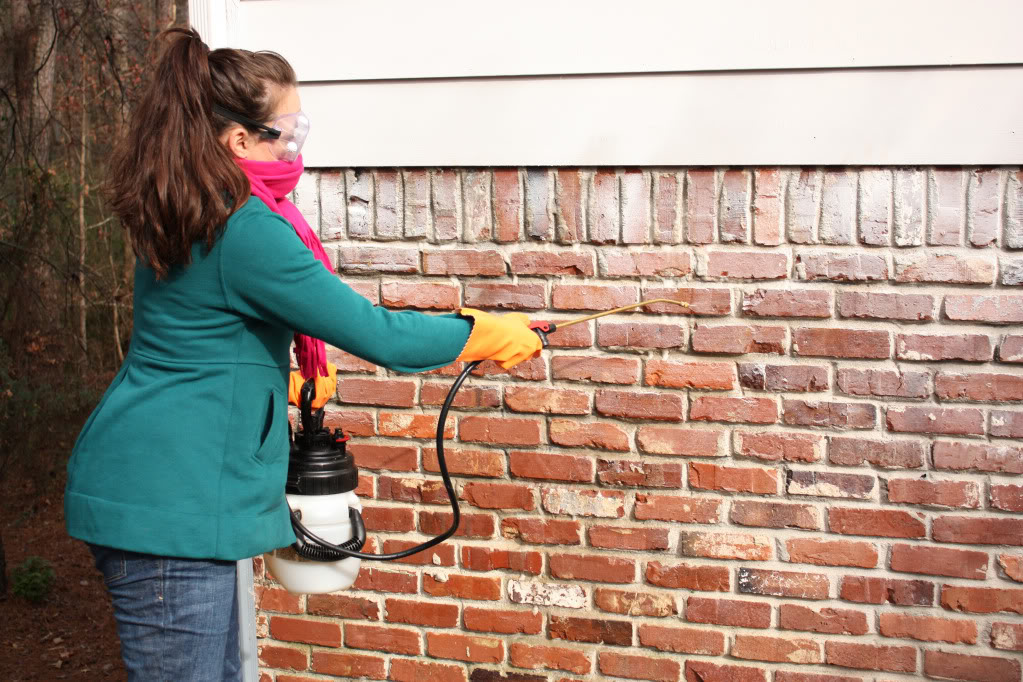
To remove old paint from exterior walls, you can use a pressure washer, a paint scraper, a chemical paint stripper, or a heat gun, depending on the type of siding, the condition of the paint, and how much needs to come off. In many cases, you do not need to remove all the old paint. You only need to remove paint that is peeling, cracking, bubbling, or flaking. According to Sherwin-Williams, you generally do not need to strip old paint unless it is failing or you are switching from oil-based to latex paint. This guide covers every method so homeowners in Lexington, SC can choose the right approach for their specific project.
How to Get Old Paint Off Exterior Walls
Getting old paint off exterior walls starts with identifying how much paint needs to come off and what type of surface you are working with. If the existing paint is mostly intact with only a few peeling or flaking areas, you only need to scrape and sand those problem spots. If the entire exterior has widespread paint failure with cracking, bubbling, and large sections of peeling, a full strip-down may be necessary.
There are four main methods for removing exterior paint: scraping, pressure washing, chemical stripping, and heat application. Each method has strengths and weaknesses, and the right choice depends on your siding material, the number of paint layers, and whether lead paint may be present. Homes built before 1978 should be tested for lead paint before any removal work begins. According to the U.S. Environmental Protection Agency, lead paint must be handled according to specific safety guidelines to protect workers and residents.
Professional exterior painting crews in the Lexington, SC area assess the condition of the existing paint before recommending a removal method. In many cases, targeted scraping and sanding of problem areas combined with a thorough pressure wash is enough to prepare the surface for a new coat of paint.
Can I Remove Old Paint With a Pressure Washer?
Yes, you can remove old paint with a pressure washer, and it is one of the fastest methods for exterior surfaces. A pressure washer set to 2,500 to 3,000 PSI with a 25-degree fan tip can blast away loose, peeling, and flaking paint from wood, vinyl, and fiber cement siding. The high-pressure water dislodges paint that has lost its bond with the surface while leaving well-adhered paint intact.
Pressure washing works best on wood siding, decks, and fences where the paint is already failing. It is not as effective for removing paint that is still firmly attached because the water alone cannot dissolve a solid paint bond. For stubborn areas, combine pressure washing with a chemical paint stripper applied beforehand. The stripper softens the paint, and the pressure washer rinses away the loosened material.
Be careful not to use too much pressure on soft wood. Excessive PSI can gouge, splinter, and damage wood fibers, leaving a rough surface that will not hold new paint well. Keep the nozzle at least 12 inches from the surface and use smooth, sweeping motions. Let the wood dry for at least 48 hours before priming and painting. Homeowners near Lake Murray and Chapin with wood decks, docks, and fences should be especially careful with pressure washer settings on older wood.
Will 3000 PSI Strip Paint?
Yes, 3,000 PSI will strip loose and failing paint from most exterior surfaces. At 3,000 PSI with a 15 to 25 degree nozzle tip, a pressure washer can effectively remove peeling, cracking, and flaking paint from wood siding, concrete, and brick. However, 3,000 PSI is too much pressure for some surfaces like soft cedar, vinyl siding, and stucco, which can be damaged by high-pressure water.
For vinyl siding, stay below 1,500 PSI and use a wider 40-degree fan tip. For stucco, 1,500 to 2,000 PSI is safe. For concrete and brick, 2,500 to 3,000 PSI works well. Always start with a lower pressure and increase gradually until you find the level that removes paint without damaging the surface underneath.
Is It Better to Pressure Wash or Scrape Paint?
It is better to pressure wash large areas of failing paint and scrape smaller, targeted sections. Pressure washing is faster and covers more surface area, but it is less precise. Scraping is slower but gives you more control over exactly how much paint you remove and where. Most professional exterior painting projects use a combination of both methods.
Start with pressure washing to remove the bulk of loose paint and dirt. After the surface dries, go back with a paint scraper or 5-in-1 tool to remove any remaining loose edges and feather the transition between bare wood and intact paint. This combination approach gives you the cleanest surface with the least amount of time and effort. Professional painters in the Lexington and Columbia area use this exact sequence on nearly every exterior repaint.
What Do Professional Painters Use to Remove Paint?
Professional painters use a combination of pressure washers, paint scrapers, power sanders, chemical strippers, and occasionally heat guns to remove old exterior paint. The specific tools depend on the surface material, the type and condition of the existing paint, and the scope of the project.
For most exterior repaints, professionals pressure wash the entire home first, then hand-scrape any remaining loose or flaking paint. Power sanders with 60 to 80 grit discs are used to smooth rough edges and feather the transition between bare and painted areas. Chemical strippers are reserved for situations where mechanical methods are impractical, such as intricate trim details, heavy paint buildup on historic homes, or paint on masonry surfaces.
According to Sherwin-Williams, chemical paint strippers should be applied in thick layers, allowed to sit according to the manufacturer’s instructions, and then scraped away with a plastic putty knife. Heat guns are used less frequently on exteriors because of fire risk and the danger of releasing toxic fumes from heated paint. Professional house painting teams have the experience and equipment to choose the safest, most effective removal method for every situation.
What Dissolves Exterior Paint?
Chemical paint strippers dissolve exterior paint. These products contain solvents that break down the chemical bonds in the paint film, causing it to soften, bubble, and lift away from the surface. Common active ingredients in paint strippers include methylene chloride, N-methylpyrrolidone (NMP), and soy-based or citrus-based solvents.
Soy-based and citrus-based strippers are slower-acting but much safer to use. They produce less fumes and are biodegradable. Products like Dumond Smart Strip are water-based, zero-VOC, and can remove up to eight to ten layers of paint. These eco-friendly options are ideal for residential projects where safety and environmental impact are priorities.
Methylene chloride-based strippers work faster but produce strong fumes and require heavy-duty safety equipment including chemical-resistant gloves, safety goggles, and a respirator. Due to health concerns, many professional painters in the Lexington area prefer the slower but safer soy-based and citrus-based alternatives.
Does Dawn Soap Remove Paint?
No, Dawn soap does not remove dried paint from exterior walls. Dawn dish soap is a mild degreaser that can clean dirt, grime, and grease from painted surfaces, but it does not have the chemical strength to dissolve or strip dried paint. Dawn mixed with warm water is useful for cleaning walls before painting, but it will not remove existing paint.
For fresh paint splatters that have not fully dried, warm soapy water with Dawn may help loosen and wipe away the wet paint, especially if the paint is water-based latex. Once paint has dried and cured, you need a stronger solution like a chemical paint stripper, a pressure washer, or mechanical scraping to remove it.
Does WD-40 Remove Dried Paint?
WD-40 can help loosen small areas of dried paint, but it is not an effective tool for removing paint from large exterior wall surfaces. WD-40 is a lubricant and solvent that can soften paint splatter on hard surfaces like glass, metal, and tile. It is not designed for stripping paint from wood siding, stucco, or brick.
For small paint drips on hardware, glass, or metal trim, spray WD-40 on the spot, let it sit for a few minutes, and wipe or scrape the softened paint away. Do not use WD-40 on surfaces you plan to repaint because the oily residue it leaves behind will prevent new paint from bonding properly.
Can I Use Vinegar to Clean Painted Walls?
Yes, you can use vinegar to clean painted walls, but vinegar will not remove paint. A solution of one part white vinegar to one part warm water is an effective, natural cleaner for removing light dirt, dust, and grime from painted exterior walls. It also helps kill mildew. However, vinegar does not dissolve or strip dried paint from any surface.
For exterior wall cleaning before repainting, vinegar is a safe, affordable option for general surface prep. Spray or wipe the solution on the walls, scrub with a soft brush, and rinse with clean water. Let the surface dry for at least 24 to 48 hours before priming or painting. The humid Lexington, SC climate promotes mildew growth on exterior walls, and a vinegar wash is a simple way to address it before applying fresh paint.
Can I Just Paint Over Old Exterior Paint?
Yes, you can paint over old exterior paint if the existing paint is in good condition with no peeling, cracking, bubbling, or heavy chalking. You still need to clean the surface, lightly sand any glossy areas, and prime any bare or stained spots. If the old paint is sound and well-adhered, a good cleaning, light sanding, and a fresh coat of quality paint is all you need.
You cannot paint over paint that is failing. Peeling, cracking, or bubbling paint must be removed because new paint will only stick to the loose old paint, not to the wall itself. The new coat will fail just as quickly as the old one. According to Benjamin Moore, painting over cracked or flaking paint is a bad idea and will result in premature failure of the new coat.
For homeowners in Lexington, SC preparing for a fresh exterior coat, a thorough inspection determines whether full removal is needed or if spot-repair and cleaning will do the job. In most cases, residential repainting projects do not require stripping the entire house. Targeted scraping of problem areas, power washing, and proper priming are usually sufficient.
Does All Old Paint Need to Be Removed Before Painting?
No, not all old paint needs to be removed before painting. Only paint that is peeling, cracking, bubbling, flaking, or chalking heavily needs to be removed. If the existing paint is smooth, well-adhered, and in overall good condition, you can paint directly over it after proper cleaning, sanding, and priming.
According to Sherwin-Williams, you generally do not need to remove old paint unless it is failing or you are changing paint types (such as switching from oil-based to latex). The key is to create a clean, sound surface for the new paint to bond to. Any loose material that could prevent adhesion needs to come off, but solid, intact paint can stay.
This is good news for homeowners because full paint stripping is expensive and time-consuming. Most exterior repaints involve spot-scraping problem areas, feathering edges with sandpaper, pressure washing, priming bare spots, and applying fresh coats of paint. Professional painters in the Columbia area perform this targeted approach on the majority of their exterior painting projects.
What Is the Hardest Color to Paint Over?
The hardest colors to paint over are deep reds, bright oranges, and dark blacks. Red pigment is especially stubborn and can bleed through multiple coats of paint and primer. On exterior walls, these colors have been baking in the sun for years, which can make the pigment even more embedded in the surface.
When covering a dark exterior color with a lighter one, use a high-hide, stain-blocking primer before applying your topcoat. Two coats of primer may be needed for the deepest colors. Tinting the primer to a shade between the old and new color can also help reduce the number of topcoat applications needed. Professional interior and exterior painters know how to handle even the most stubborn color transitions efficiently.
What Is the Fastest Way to Remove Exterior Paint?
The fastest way to remove exterior paint is with a pressure washer combined with a chemical paint stripper. Apply the stripper to the surface, let it sit for the recommended time (usually 15 to 30 minutes), and then blast the softened paint off with a pressure washer set to 2,000 to 2,500 PSI. This combination removes paint faster than either method alone.
For large areas of severely failing paint, a power sander with a paint-stripping disc is another fast option. These discs aggressively remove paint while leaving the underlying surface relatively smooth. However, power sanding creates a lot of dust and requires a respirator and eye protection. It is not recommended for homes with lead paint unless proper containment measures are in place.
For commercial properties in the Lexington area with large exterior surfaces, professional crews often use a combination of chemical stripping and power washing to strip paint quickly and efficiently before applying fresh coats.
How to Remove Old Paint Without Scraping
To remove old paint without scraping, use a chemical paint stripper, a pressure washer, or a steam stripper. Chemical strippers dissolve the paint so it peels away without any scraping force. Pressure washers blast loosened paint off with water. Steam strippers use hot steam to soften paint for easy removal with minimal physical effort.
Chemical stripping is the gentlest on the surface and works well on detailed trim, window frames, and textured surfaces where a scraper could cause damage. Apply the stripper according to the label directions, cover with laminated paper to keep it moist, and let it work for the recommended time. The softened paint lifts away cleanly, leaving a smooth surface ready for sanding and priming.
Steam stripping is an eco-friendly, chemical-free option that works especially well on wood and plaster surfaces. A wallpaper steamer directs hot steam at the paint surface, softening the bond so the paint peels off in sheets. This method is slower than chemical stripping but produces no fumes and minimal waste.
Paint Removal Methods: Comparison Table
| Method | Speed | Best For | Safety Concerns |
|---|---|---|---|
| Scraping | Slow | Small areas, spot repairs | Low risk, wear gloves and eye protection |
| Pressure Washing | Fast | Large areas, wood and concrete | Can damage soft wood, lead paint debris risk |
| Chemical Stripper | Medium | Detailed trim, heavy buildup, masonry | Fumes, chemical burns, requires PPE |
| Heat Gun | Medium | Small areas, thick paint on wood | Fire risk, toxic fumes from heated paint |
| Power Sanding | Fast | Large flat surfaces | Heavy dust, lead paint dust risk, respirator required |
| Steam Stripping | Slow | Wood, plaster, delicate surfaces | Burn risk from steam, no chemical fumes |
Sources: Sherwin-Williams, Benjamin Moore, Family Handyman, Priority One Coatings, Dumond Chemicals. Recommendations based on professional painter best practices.
What Is the Best Solvent to Remove Old Paint?
The best solvent to remove old paint depends on whether the paint is latex or oil-based. For latex paint, warm water and a mild degreaser will soften fresh or lightly dried paint. For dried latex, isopropyl alcohol or a citrus-based paint remover works well. For oil-based paint, mineral spirits, acetone, or a dedicated chemical paint stripper is needed.
For large-scale exterior paint removal, eco-friendly products like Dumond Smart Strip offer an effective, zero-VOC solution that removes both latex and oil-based paints. According to Family Handyman, Smart Strip can remove up to eight to ten layers of paint and is safe enough for residential use. It is applied with a brush, covered with laminated paper, and lifted away with a plastic putty knife after the recommended wait time.
Does Rubbing Alcohol Remove Paint?
Yes, rubbing alcohol (isopropyl alcohol) can remove small areas of dried latex paint. Soak a rag with rubbing alcohol, press it against the paint spot for a few minutes to soften the paint, and then wipe or scrape it away. Rubbing alcohol works on small spots and splatters but is not practical for stripping paint from entire exterior walls. It evaporates quickly and would require too much product for large surfaces.
Can Hydrogen Peroxide Dissolve Paint?
No, hydrogen peroxide does not effectively dissolve paint. Hydrogen peroxide is a mild bleaching agent and disinfectant, but it does not have the chemical properties needed to break down the resins and binders in dried paint. It can lighten some stains on painted surfaces, but it will not strip or dissolve the paint itself. For actual paint removal, use a dedicated paint stripper, pressure washer, or mechanical scraping.
Is October Too Late to Paint Outside?
No, October is not too late to paint outside in Lexington, SC. October temperatures in central South Carolina typically stay within the 50 to 85 degree range that latex paint requires for proper application and curing. Fall is actually one of the best seasons for exterior painting because humidity is lower and temperatures are moderate.
The key is to watch nighttime temperatures. Paint needs at least 4 to 8 hours above 50 degrees after application to cure properly. As long as overnight lows stay above 50, October provides excellent painting conditions in the Lexington and Columbia area. Professional painters often prefer fall projects because the weather produces better results than the hot, humid summer months.
When Should You Remove Old Paint vs. Paint Over It?
Remove old paint when it is peeling, cracking, bubbling, or flaking in large areas. Paint over old paint when it is smooth, well-adhered, and in overall good condition. The decision comes down to the condition of the existing paint, not its age. Old paint that is still firmly bonded to the surface can be successfully painted over with proper cleaning and priming.
If more than 30 to 40% of the exterior paint is failing, it is usually more cost-effective and results in a better finish to strip the entire surface and start fresh. If less than 15 to 20% is failing, targeted scraping, sanding, and priming of problem areas followed by a full repaint is the standard approach.
For homes in the Lexington area with surface damage that extends to the underlying wall material, repairs should be completed before any painting begins. The condition of the substrate determines how long the new paint will last. Proper sheetrock and surface repair on the interior, and wood or siding repair on the exterior, are essential steps before paint goes on.
Frequently Asked Questions
How Much Does It Cost to Remove Old Paint From an Exterior in Lexington, SC?
The cost to remove old paint from an exterior in Lexington, SC varies based on the size of the home, the number of paint layers, the siding material, and the removal method. Full paint stripping is one of the most labor-intensive parts of an exterior repaint. For an accurate estimate based on your specific home, contact a professional painting company for an on-site assessment. Soda City Painting provides free estimates for all exterior painting projects in the Lexington and Columbia area.
Do I Need to Remove All Paint Before Repainting My Exterior?
No, you do not need to remove all paint before repainting your exterior. Only remove paint that is peeling, cracking, bubbling, or flaking. If the existing paint is in good condition, a thorough power wash, light sanding, spot priming, and two coats of quality paint will give you a long-lasting, professional result.
Should I Test for Lead Paint Before Removing Exterior Paint in Columbia?
Yes, you should test for lead paint before removing exterior paint on any home built before 1978. Lead paint testing kits are available at most hardware stores. If lead paint is present, you must follow EPA lead-safe work practices or hire a certified lead-safe contractor. Disturbing lead paint without proper precautions creates serious health hazards, especially for children and pregnant women. Homes in older neighborhoods across the Columbia and Lexington area should always be tested before any scraping, sanding, or pressure washing begins.
What Can Remove Paint Quickly From Brick Walls?
A chemical paint stripper designed for masonry is the best way to remove paint quickly from brick walls. Apply the stripper, let it work for the recommended time, and then scrub with a stiff-bristle brush or pressure wash at moderate pressure. Brick is porous and absorbs paint deeply, making mechanical methods less effective. Never sandblast brick, as this damages the surface permanently. Professional commercial and residential painters know how to handle brick safely.
Can I Pressure Wash Paint Off Vinyl Siding?
Yes, you can pressure wash loose or failing paint off vinyl siding, but keep the pressure below 1,500 PSI and use a wide 40-degree fan tip. Higher pressure can crack or warp vinyl siding. For vinyl that is in good condition, a gentle wash and direct repaint with a vinyl-safe paint is usually sufficient without full paint removal.
What Is the Safest Way to Remove Exterior Paint?
The safest way to remove exterior paint is with a soy-based or citrus-based chemical stripper. These products are low-VOC or zero-VOC, biodegradable, and produce minimal fumes. They work slower than traditional strippers but are much safer for homeowners, workers, and the environment. For homes in Lexington, SC with children or pets, eco-friendly strippers are the best choice.
How Long After Removing Paint Can I Repaint?
You can repaint 24 to 48 hours after removing paint, once the surface is completely clean, dry, and free of any stripper residue. If you used a chemical stripper, follow the manufacturer’s neutralization instructions before priming. If you pressure washed, let the wood dry for at least 48 hours. Sand the surface smooth, apply primer to all bare areas, and then paint. Proper drying time is especially important in the humid Lexington climate where moisture can linger in the wood.
Final Thoughts
Removing old paint from exterior walls is the hardest part of any exterior repaint, but it is also the most important. Paint that is applied over a failing surface will fail again quickly. Taking the time to properly remove loose paint, clean the surface, and prime bare areas gives your new paint the solid foundation it needs to last 7 to 10 years or more.
For homeowners in Lexington, SC, Red Bank, Gilbert, Lake Murray, and the greater Columbia area, Soda City Painting handles every step of exterior paint removal and repainting. From pressure washing and scraping to priming and final coating, our experienced team delivers results that protect your home and boost your curb appeal. We also handle porch and shed painting projects with the same attention to prep and quality. Call us today at (803) 221-0771 or visit our website to schedule your free estimate.