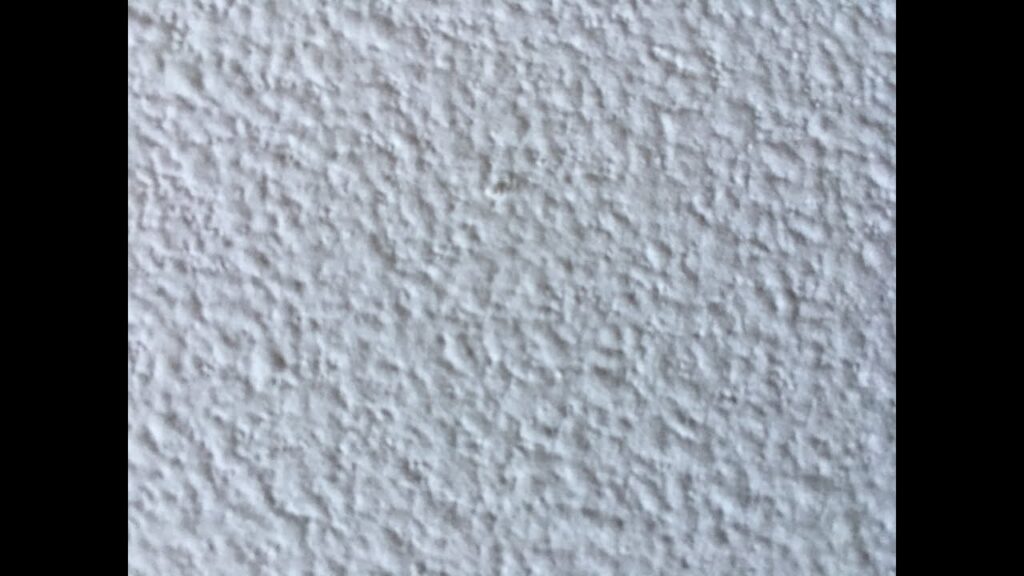
To fix orange peel texture on drywall, sand the damaged area smooth, clean off the dust, apply a thin coat of drywall primer, and then re-spray the texture using an aerosol orange peel spray can or a hopper gun. The key is matching the new texture to the existing pattern on the wall so the repair blends in and becomes invisible after painting. Orange peel is one of the most common drywall textures in American homes. It hides minor imperfections, adds durability, and gives walls a subtle, finished look. But when it gets damaged, patched, or applied unevenly, fixing it the right way takes the right tools, the right technique, and a little patience. This guide covers how to repair orange peel texture, how to remove it, how to smooth it out, common mistakes to avoid, and answers to the most searched questions homeowners in Lexington, SC have about drywall texture.
How to Fix Bad Orange Peel Texture?
To fix bad orange peel texture, you need to sand down the uneven areas, apply fresh joint compound if needed, re-prime the surface, and re-spray the texture to match the surrounding wall. Bad orange peel texture can look lumpy, too heavy, too light, or uneven. The fix depends on what went wrong.
If the texture is too heavy or lumpy, lightly sand the high spots with 150 to 180-grit sandpaper until the surface feels more uniform. Wipe away the dust with a damp cloth and let it dry. Then re-spray a light coat of orange peel texture to blend the area. If the texture is too thin or barely visible, clean the surface, apply a light mist of primer, and add another coat of texture spray. Always test on a piece of cardboard or scrap drywall first to dial in the spray pattern before hitting the wall.
According to HomeGuide, sprayed textures like orange peel cost $0.80 to $1.50 per square foot for professional application, including labor and materials. According to Angi, the average cost to texture drywall in a single room is about $625. Fixing a small section of bad texture is far less expensive than retexturing an entire room, which is why getting the repair right matters.
Homeowners in Lexington, SC who have orange peel walls with dings, cracks, or uneven patches can save money by repairing the damaged sections rather than retexturing the whole room. For large areas or multiple rooms, professional drywall repair and painting teams have the sprayers and experience to match the existing texture perfectly.
How to Remove Orange Peel Texture From Drywall?
To remove orange peel texture from drywall, you can either sand it off, scrape it off after wetting it, or skim coat over it with joint compound. The method you choose depends on whether the texture has been painted over.
If the orange peel texture has never been painted, you can spray it with water to soften the joint compound and then scrape it off with a wide putty knife or drywall knife. This is the fastest and cleanest method. If the texture has been painted, the paint seals the compound and prevents water from softening it. In that case, sanding or skim coating is the better approach.
According to Angi, the cost to remove texture from walls ranges from $1.50 to $3.50 per square foot, or around $1,600 on average when hiring a professional. Skim coating, which covers the texture with thin layers of joint compound to create a smooth surface, costs an average of $600 and is often the simpler, less messy option. According to HomeGuide, smoothing textured walls costs $1 to $3 per square foot on average.
Removing texture is messy, dusty, and time-consuming. It requires protecting floors, furniture, and fixtures with plastic sheeting and drop cloths. Homeowners near Lake Murray, SC who want to modernize their walls from orange peel to a smooth finish should plan for a multi-day project or hire a professional crew that handles sheetrock installation and repair.
Can You Sand Down Orange Peel Drywall?
Yes, you can sand down orange peel drywall. Sanding is one of the most common methods for reducing or removing orange peel texture. Use 150 to 180-grit sandpaper on a pole sander and work in circular motions. The texture will gradually flatten out as you sand. Once the surface feels smooth, wipe off the dust and prime before painting.
Sanding works well for light orange peel texture or for blending patched areas into the surrounding wall. For heavy orange peel or walls with multiple coats of paint, sanding alone may not produce a perfectly smooth surface. In those cases, a skim coat of joint compound after sanding gives the best results. According to professional drywall contractors, sanding alone creates a tremendous amount of dust and can damage the drywall paper if you sand too aggressively. Always wear a dust mask or respirator and protect the room with plastic sheeting.
According to the Home Improvement Research Institute, painting projects are the most planned home improvement activity among homeowners. Many of those projects start with surface prep, and sanding down textured walls is often the first step. Homeowners in Lexington, SC who want smooth walls for a modern look can sand the orange peel, apply a skim coat, prime, and paint for a clean, updated finish.
Can Textured Walls Be Smoothed?
Yes, textured walls can be smoothed. The two most common methods are skim coating and sanding. Skim coating involves applying thin layers of joint compound over the textured surface with a wide drywall knife, letting each layer dry, and then sanding smooth. This process typically takes two to three coats to achieve a Level 5 smooth finish.
According to Angi, skim coating costs an average of $600 and is a simpler, faster way to smooth a wall compared to fully removing the texture. According to Fix It In The Home, a smooth finish can cost anywhere from 40% to over 80% more than an orange peel texture because of the extra labor involved in the multi-coat skim coating and sanding process.
Smooth walls are becoming more popular as homeowners move away from textured finishes. According to one industry survey cited by drywall professionals, 85% of homeowners preferred smooth ceilings during remodeling projects. The same trend is driving demand for smooth walls throughout homes in Lexington, SC, Columbia, and the Lake Murray area. If you are converting textured walls to smooth, always prime the finished surface with a PVA primer before painting for the best adhesion and coverage.
Is Orange Peel Texture Outdated?
Orange peel texture is not outdated in most markets, but smooth walls are gaining popularity in newer construction and modern remodels. Orange peel remains one of the most common drywall finishes in American homes, especially in the Southeast and Southwest. It is popular because it hides minor imperfections, is affordable to apply, and adds durability to walls.
According to Angi, orange peel is one of the most popular drywall textures, and many homeowners choose it for its refined finish. It is a classic look that works well in living rooms, hallways, bedrooms, and other common spaces. In newer high-end homes and modern renovations, smooth Level 5 walls are more common, but that comes at a significantly higher cost.
For homeowners in Lexington, SC, orange peel texture is still widely used and accepted. If your walls already have orange peel and you are happy with the look, there is no need to change it. Simply repair any damage, prime, and repaint for a fresh, updated appearance. Interior painting over well-maintained orange peel texture looks clean and professional.
How to Modernize Orange Peel Walls?
To modernize orange peel walls, you have three options: skim coat them smooth, paint them a contemporary color, or add a decorative finish like limewash or Venetian plaster over the texture.
The most popular modernization approach is skim coating the walls to a smooth Level 5 finish. This involves applying two to three thin layers of joint compound, sanding between coats, and then priming and painting. The result is a sleek, modern wall that looks brand new. This is a labor-intensive process, but it completely transforms the look of a room.
If you want to keep the orange peel texture but give the room a modern feel, simply repainting with a contemporary color makes a big difference. According to a 2024 survey by Clever Real Estate, white (42%), beige (35%), and light gray (32%) were the most popular interior paint colors among homeowners. Painting orange peel walls in a fresh, modern neutral instantly updates the space without the cost and mess of removing the texture.
Homeowners near Red Bank, SC and the Columbia area who want to modernize without a full remodel often choose a fresh coat of paint in a trending color. Professional house painting teams can repaint orange peel walls in a day or two, delivering a modern look at a fraction of the cost of skim coating.
Is Orange Peel Texture Permanent?
No, orange peel texture is not permanent. It can be removed by sanding, scraping, or skim coating at any time. The texture is simply a thin layer of dried joint compound applied over the drywall surface. It can be modified, repaired, or completely removed and replaced with a different finish.
Removing orange peel texture that has been painted over takes more work than removing unpainted texture, but it is still very doable. According to Angi, skim coating over existing texture is the most common and cost-effective approach, averaging about $600 per room. Full texture removal by scraping or sanding costs $1.50 to $3.50 per square foot. Either way, the orange peel is not a permanent commitment.
What Is a Common Mistake People Make When Applying Mud to Drywall?
A common mistake people make when applying mud to drywall is not thinning the joint compound enough before spraying. For orange peel texture, the mud needs to be mixed to the consistency of thick pancake batter. If the mud is too thick, the texture comes out heavy, lumpy, and uneven. If the mud is too thin, it runs and drips instead of forming the characteristic bumpy pattern.
Another common mistake is not testing the spray pattern before hitting the wall. According to Pro Construction Guide, you should always adjust the spray to the desired pattern and test on a piece of scrap drywall until you get the right look. Spraying directly on the wall without testing almost always leads to a mismatched or uneven texture.
Other common mistakes include not cleaning the wall before texturing, applying texture over dust or debris, spraying too close to the surface, and not priming after the texture dries. According to professional drywall contractors, always prime textured drywall with a PVA primer before painting to seal the surface and prevent flashing. Homeowners in Lexington, SC who are doing DIY texture repairs should practice on cardboard first and invest in a quality aerosol texture spray or rent a hopper gun for larger areas.
How to Disguise Textured Walls?
To disguise textured walls without removing the texture, you can hang large artwork, install wainscoting or board-and-batten paneling, apply wallpaper designed for textured surfaces, or simply paint the walls a dark, rich color that draws attention away from the texture. Dark paint colors absorb light and reduce the visibility of surface texture, making the bumps less noticeable.
Another option is to apply a thin skim coat of joint compound over the texture to partially smooth it out without fully removing it. This takes some of the roughness away and gives the wall a more subtle, less obvious texture that looks more modern and refined.
For homeowners in Lexington, SC who want to minimize the look of textured walls without a full removal project, board-and-batten wainscoting is a popular, budget-friendly option that covers the lower half of the wall and adds a modern farmhouse or traditional look. Painting the upper portion a fresh color ties the room together. If you also need residential painting as part of your update, combining the wall treatment with a fresh paint job gives the biggest visual impact.
Why Don’t Professional Painters Wash Walls Before Painting?
Professional painters do not always wash walls before painting because most interior walls in good condition only need a light dusting or a wipe-down with a damp cloth. Full washing with water can damage drywall, especially textured surfaces like orange peel. Water can soften the joint compound, lift the texture, and create new problems that are harder to fix than a little dust.
However, walls with grease, smoke, nicotine, or heavy grime do need to be cleaned before painting. Kitchens, bathrooms, and high-traffic areas benefit from a gentle wash with a mild cleaner. The key is to let the wall dry completely before priming or painting. According to professional painting contractors, the standard approach is to dust or vacuum the walls, spot-clean any stained areas, and then prime and paint. Full washing is reserved for heavily soiled surfaces.
How to Repair Orange Peel Texture on Ceiling?
To repair orange peel texture on a ceiling, follow the same steps as a wall repair but work overhead, which requires more preparation and patience. Start by laying drop cloths on the floor and covering furniture. Sand the damaged area smooth, clean off the dust, and apply a thin coat of primer. Then spray the orange peel texture onto the ceiling using an aerosol can or hopper gun, holding the nozzle about 18 inches from the surface.
Ceiling repairs are harder to blend because light hits the ceiling differently than walls, making every imperfection more visible. According to professional drywall contractors, ceilings often need a more precise texture match and may require priming the entire ceiling and repainting it to hide the repair completely. According to HomeGuide, the average cost to texture a ceiling is $1 to $2 per square foot for a bedroom or living room.
Homeowners in the Columbia, SC area with water-damaged or patched ceilings often need both texture repair and repainting. A team that handles drywall repair and painting can match the texture, prime, and paint in one visit for a seamless result.
What Is the Cheapest Way to Cover Textured Walls?
The cheapest way to cover textured walls is to paint over them. A fresh coat of paint in a modern color updates the look of orange peel or knockdown texture without any removal, sanding, or skim coating. This is the fastest and most affordable option for homeowners who want a quick refresh.
The next cheapest option is a skim coat, which involves applying thin layers of joint compound over the texture to create a smooth surface. According to Angi, skim coating costs an average of $600 per room, making it affordable compared to full texture removal or drywall replacement. For a DIY approach, a bucket of joint compound, a wide drywall knife, and some patience can cover a room for less than $50 in materials.
Other affordable options include installing lightweight paneling, peel-and-stick shiplap, or board-and-batten wainscoting over the lower half of the walls. These cover the texture physically and add a design element that modernizes the space. For homeowners near Gilbert, SC and Lexington who want a fresh look on a budget, repainting the orange peel walls with a clean, modern color is the fastest path to an updated room. Exterior painting and interior repaints are among the highest-return home improvement projects for resale value.
Orange Peel Texture Cost Comparison
| Project Type | Average Cost | Details |
|---|---|---|
| Apply New Orange Peel Texture | $0.80 to $1.50 per sq ft | Includes labor and materials; sprayed application |
| Repair Small Section of Orange Peel | $20 to $200 | Aerosol texture spray, sanding, priming, repainting |
| Skim Coat Over Texture (per room) | $300 to $1,200 | $1 to $3 per sq ft; multiple coats of joint compound |
| Full Texture Removal | $1.50 to $3.50 per sq ft | More expensive for painted texture; average $1,600 total |
| Retexture Entire Room | $575 to $675 | Average for a standard bedroom; depends on texture type |
| Paint Over Existing Texture | $1 to $4.75 per sq ft | Cheapest option; no texture removal needed |
Sources: Angi drywall texturing cost guide (2025); HomeGuide texture cost data (2026); HomeAdvisor texture pricing data (2025); Homes and Gardens texture removal guide
Frequently Asked Questions
Can You Knock Down Orange Peel Texture?
Yes, you can knock down orange peel texture by lightly troweling over it with a wide drywall knife while the compound is still wet. This flattens the bumps into a smoother, more subtle knockdown pattern. If the orange peel has already dried, you can re-wet the surface lightly and trowel it, or apply a fresh thin coat of joint compound over the top and knock it down. This creates a different look than standard orange peel and gives the wall a flatter, more modern texture.
What Does Adding Dawn Dish Soap to Drywall Mud Do?
Adding a small amount of Dawn dish soap to drywall mud makes it smoother and easier to spread. The soap acts as a surfactant, reducing the surface tension of the compound. This helps the mud glide more smoothly across the wall and makes it easier to feather edges. Some professionals add a few drops to their joint compound when skim coating to improve workability. Too much soap can weaken the compound, so use it sparingly.
How Much Does It Cost to Remove Orange Peel Texture in Lexington, SC?
The cost to remove orange peel texture in Lexington, SC ranges from $1.50 to $3.50 per square foot, or around $1,600 on average for a professional job, according to Angi. Skim coating over the texture is often cheaper, averaging about $600 per room. DIY removal costs much less in materials but takes significant time and creates a lot of dust and mess. For large projects, hiring a professional drywall crew in the Lexington, SC area is the fastest way to get clean, smooth walls.
How to Get Rid of Orange Peeling on Wall That Won’t Come Out After Sanding?
To get rid of orange peeling on a wall that won’t come out after sanding, apply a skim coat of joint compound over the sanded surface. Spread a thin layer of compound with a wide drywall knife, let it dry, sand lightly, and repeat for two to three coats until the surface is smooth. This builds a new, flat surface over the remaining texture. Prime with PVA primer before painting. Skim coating is the most reliable fix when sanding alone does not fully remove the texture.
How to Cover Orange Peel Wall Texture Without Removing It?
To cover orange peel wall texture without removing it, skim coat over the texture with thin layers of joint compound, install wainscoting or paneling over the lower half of the wall, or simply repaint with a fresh, modern color. Skim coating is the most popular method and creates a smooth surface without tearing into the existing drywall. For homeowners in Lexington, SC who want smooth walls without the mess of full removal, skim coating is the best balance of cost, effort, and results.
Is It Better to Hire a Professional for Texture Repair in Columbia, SC?
Yes, it is often better to hire a professional for texture repair in Columbia, SC, especially if you need to match existing orange peel texture on a visible wall or ceiling. Matching drywall texture takes practice, the right equipment, and an eye for detail. According to Angi, drywall texturing costs an average of $625 per room when done professionally. A pro can match the pattern perfectly, prime, and paint in far less time than a DIY attempt. For homeowners in the Lexington, SC and Columbia area, professional crews deliver a seamless repair that is invisible after painting.
Do I Need to Prime After Applying Orange Peel Texture?
Yes, you need to prime after applying orange peel texture. The dried joint compound is porous and absorbs paint unevenly if it is not sealed first. Apply one coat of PVA drywall primer over the textured surface before painting. This seals the compound, evens out the absorption rate, and gives the paint a smooth, uniform base. Skipping primer leads to flashing, where the textured areas look different from the rest of the wall under natural light. Teams that handle commercial interior painting always prime new texture before painting for exactly this reason.
Final Thoughts
Fixing orange peel texture on drywall is a straightforward process when you follow the right steps: sand the damaged area, clean it, prime it, re-spray the texture, let it dry, prime again, and paint. For homeowners who want to remove or smooth out orange peel texture entirely, skim coating is the most affordable and effective method. Whether you are patching a small ding or converting an entire room to smooth walls, the key to a great result is proper prep, the right tools, and patience.
If you are a homeowner in Lexington, SC, the Lake Murray area, Red Bank, Gilbert, or anywhere around Columbia, and you need help with drywall texture repair, removal, or repainting, Soda City Painting is ready to help. Their experienced team handles drywall repair, texture matching, and painting with the tools and expertise to deliver walls that look flawless. Call (803) 221-0771 or visit their website to schedule your free estimate today.