Exterior Painting in Dentsville SC
Decades of paint layered over original siding without proper stripping—that is the story behind most peeling, bubbling facades across Dentsville’s established streets northeast of Columbia. Soda City Painting solves that cycle with expert coating diagnosis, thorough multi-layer prep, and premium products selected for long-term adhesion on aging substrates. Our Dentsville clients get hassle-free scheduling, experienced crews who work efficiently without cutting corners, transparent per-item estimates, and a warranty-backed finish that finally breaks the pattern of repainting every few years.
Aging Siding Needs Proper Assessment
Dentsville homes with original siding carry decades of paint history. Each layer bonds differently, and incompatible coatings create delamination no topcoat can fix. We perform adhesion testing on multiple sections to identify weak layers, then prescribe minimal intervention to reach a sound substrate. Sometimes that means stripping problem walls while leaving well-adhered sections intact—a targeted approach that saves expense while solving the failures.
We offer flexible scheduling — evenings, weekends, and phased work — to ensure your business continues running smoothly during painting.
We use heavy-duty coatings made for commercial buildings, offering excellent resistance to scuffs, stains, and fading in high-traffic environments.
Our Dentsville Painting Method
Our affordable, efficient process follows a disciplined sequence. Loose paint is scraped to firm edges and transitions feathered smooth. We hand-prime every bare spot with substrate-matched product—alkyd on bare wood, bonding primer over slick finishes—and allow full cure before topcoating. Two coats of premium acrylic-latex deliver the lasting, warranty-backed exterior painting results that Dentsville homeowners deserve after years of watching inferior jobs fail.
Dentsville And Its Close Neighbors
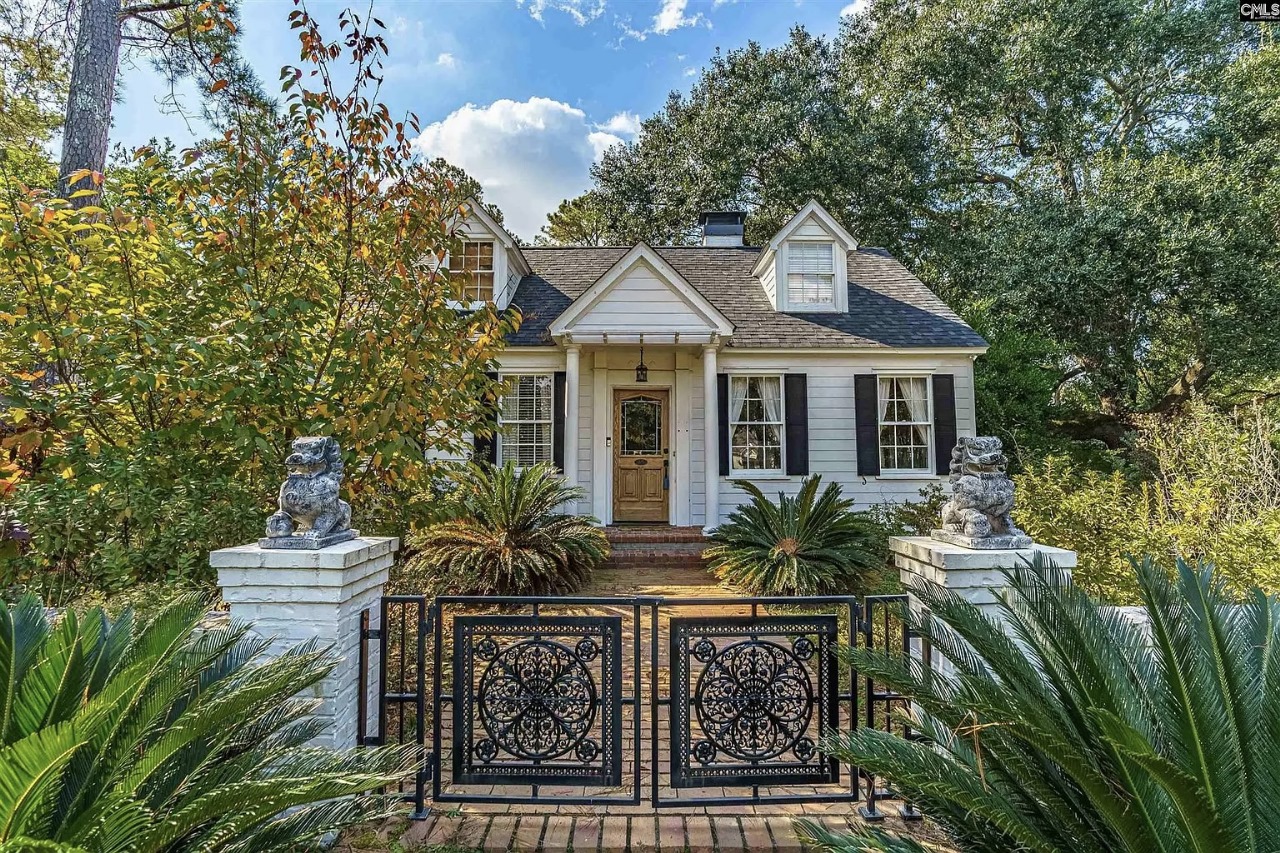
Our painters know Dentsville’s winding streets as well as the homeowners who live on them. Whether your property sits on a corner lot catching full afternoon sun or tucked into a cul-de-sac under heavy canopy, we have painted homes in every configuration this neighborhood offers.
Neighboring communities trust us too, including exterior painting in Arcadia Lakes, exterior painting in Forest Acres, and exterior painting in Columbia.
Reliable Protection For Established Homes
Dentsville homeowners who have watched paint fail repeatedly often assume the siding is the problem. In most cases the real issue is inadequate prep and incompatible products. A properly diagnosed exterior can hold a quality acrylic finish for seven to nine years. Our Soda City Painting warranty backs that with written coverage, giving you confidence the results will last.
Schedule Your Dentsville Assessment
Stop layering paint over paint. Let us diagnose what your Dentsville home actually needs and deliver a finish that solves the problem for good. Contact us for a free on-site evaluation with honest recommendations and transparent pricing.
They stripped the bad layers instead of painting over them. First time the paint has held in years.
Donald Richey
Dentsville Resident
Our 1970s ranch looks like a different house. Neighbors keep asking who did the work.
Sharon Titus
Happy Homeowner
Honest assessment—they told us which walls needed stripping and which were fine. No overselling.
Calvin Morse
Satisfied Client
The crew worked around our schedule perfectly. Clean, careful, and the result exceeded expectations.
Yolanda Pittman
Local Owner
Recurring peel is caused by incompatible layers or trapped moisture. Many Dentsville homes originally received oil-based paint, and subsequent painters applied latex without proper priming. Each coat stresses that weak bond until the stack releases. Professional exterior painting solves this by identifying the failure layer through test scraping, removing paint to the last bonded coat, and rebuilding with compatible products—permanently breaking the peel cycle.
Hardboard siding was widely installed through the 1980s and absorbs moisture when paint fails. If boards are dimensionally stable with firm edges, painting is viable and far cheaper than replacement. The key is sealing every cut edge, nail hole, and joint. We apply penetrating primer to all edges and back-prime replacement boards before installation so water cannot reach the vulnerable core. Boards with active swelling or delamination need replacement before painting.
We start with a layer assessment to determine coat count and bonding between them. A sharp scraper reveals the story—if layers peel in sheets, there is an adhesion break. We scrape to the last bonded layer, feather edges, and prime exposed surfaces. In extreme cases with five-plus coats cracking under their own rigidity, we use infrared removers that soften layers efficiently without chemical hazards. The goal is reaching a sound surface so the new system has a stable foundation.
Dentsville sits between Columbia’s heat mass and open countryside, creating a humidity pocket where morning dew persists past 10 a.m. on shaded surfaces. Painting over residual moisture causes immediate adhesion failure and blushing—a whitened appearance. High afternoon humidity slows drying so dust and insects adhere to tacky surfaces. We start application only after confirming moisture is below 15 percent with a pin meter and cease by early afternoon when humidity typically spikes.
If your wood trim is structurally sound with only surface weathering, painting is most cost-effective. However, Dentsville homes with recurring rot on window sills, corner boards, or fascia benefit from switching those elements to composite or PVC during the repaint. Composite resists moisture and insects and holds paint longer than softwood pine trim. We replace only failed pieces rather than converting the entire package, balancing durability with budget. New composite gets primed and painted to match the retained wood.
A typical single-story ranch from 1,400 to 2,200 square feet costs $3,800 to $6,500 for a full repaint including thorough prep. Extensive layer buildup, hardboard repairs, or rot replacement push higher. Split-levels add ladder and scaffolding time. We itemize every component so you see what drives the number. Contact us for a free itemized estimate tailored to your Dentsville home’s specific condition.
Yes, but only with proper preparation. Latex applied directly over glossy oil paint will peel because the flexible film cannot adhere to the rigid, slick surface. We sand to create mechanical tooth, clean with a deglosser, and apply a high-adhesion bonding primer that bridges the compatibility gap. This creates an intermediate layer the acrylic topcoat bonds to reliably. Skipping any step is where previous Dentsville repaints typically failed.
Look for blistering paint near foundations or below bathroom windows where interior moisture migrates through walls. Dark staining beneath intact paint signals mold on damp substrate. Soft spots when pressing siding indicate hidden rot. On Dentsville’s older homes, missing vapor barriers allow humidity to condense behind paint. We probe suspect areas during assessment and use moisture meters to map problem zones so repairs address the source, not just the visible symptom.
Lap marks occur when the leading edge of a stroke dries before the adjacent stroke overlaps it. High humidity makes paint stickier longer, creating inconsistent surfaces when technique is not managed carefully. Our crews maintain strict wet-edge protocol—one painter works each wall face continuously. We add a conditioner like Floetrol to extend open time in humid conditions. On Dentsville homes where canopy shade creates variable drying rates, we assign one dedicated painter per elevation to maintain unbroken wet edges.
Power washing is essential but never sufficient alone. It removes surface dirt, mildew, and loose flakes but does not address adhesion problems, fill cracks, seal joints, or prime surfaces. We have seen Dentsville homes where a previous painter washed and immediately applied paint, skipping every other prep step—results fail within a year or two. Our process uses washing as a starting point, then layers on scraping, sanding, priming, caulking, and repair that actually determines longevity.